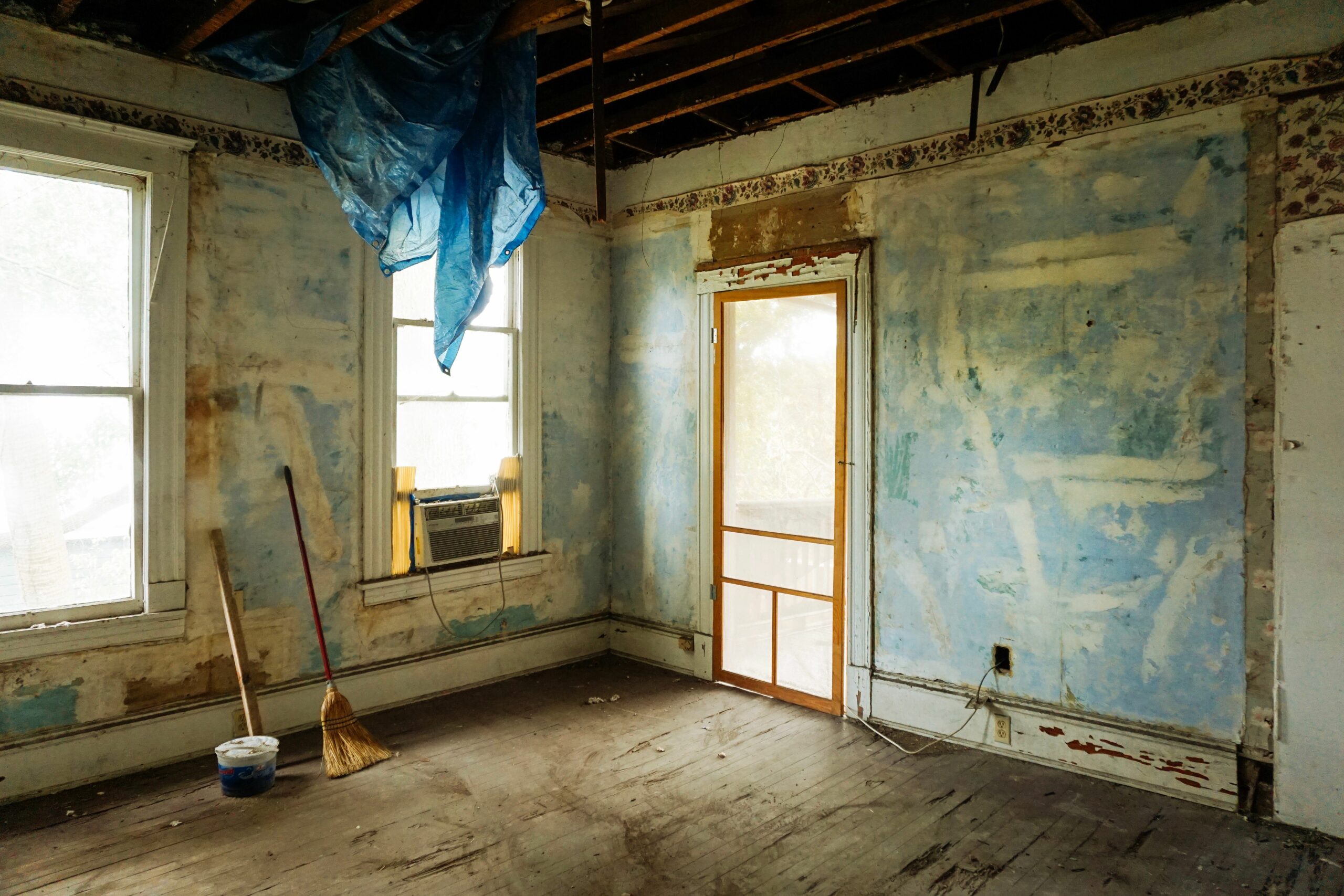
If you own an older home in Asheville or you’re thinking about buying one on a tight budget, windows can quietly become a big deal. They affect how warm, bright, quiet, and comfortable your place feels every day. They can also nibble away at your wallet through higher energy bills if they’re past their prime. The good news is that you don’t need to be a contractor to spot trouble or make smart choices. A little window wisdom goes a long way.
Why windows matter
Windows do more than let sunlight in and give your cat a place to judge the neighborhood. They help control indoor temperature, block outside noise, and shape how a house looks from the street. In an older budget-friendly property, tired windows can make a home feel colder in winter, hotter in summer, and generally a bit grumpy.
If you’re comparing upgrade priorities, windows deserve a close look because they affect both daily comfort and future value. In places with changing seasons and humidity, homeowners may start looking into window replacement in Asheville, NC, when drafts, moisture, and worn frames become too obvious to ignore.
For readers who follow affordable property deals, this matters because a low purchase price can hide expensive comfort issues. A house with bad windows may still be worth buying, but you’ll want to understand what those windows are costing you every month.
Spot the warning signs
You usually don’t need fancy tools to tell when windows are struggling. Start with what you can feel and hear. If you stand near a closed window and feel a breeze, that’s a clue. If outside traffic sounds like it’s hanging out in your living room, that’s another one.
Look for windows that stick, won’t stay open, or need a little shoulder-check to close. Watch for fog or condensation between panes. That often means the seal has failed. Peeling paint, soft wood, and water stains around the frame can also point to moisture problems.
Your energy bill can tell a story, too. If heating and cooling costs keep climbing and your insulation is decent, old windows may be part of the problem. In cheaper homes, especially ones that have been rentals, neglected windows are common. They may still function, but not very well. Think of them as the home’s tired sneakers: technically usable, but no longer doing much support work.
Repair or replace
Not every window issue means full replacement. Sometimes a repair buys you more time for much less money. A little caulk, new weatherstripping, or fixing a latch can solve small problems. If the frame is solid and the glass is in good shape, repair might be the sensible move.
Replacement makes more sense when problems keep stacking up. If the frames are rotting, seals are broken, or several windows operate badly, patching each one can become a money pit. You save today, then spend again next year. That’s not frugal. That’s just annoying with receipts.
Think about the age of the house and your plans for it. If this is a long-term home, investing in better windows can improve comfort every single day. If it’s a fixer-upper you hope to sell, replacement may still be worth it when the old windows drag down the appearance and buyer confidence. The key is matching the fix to the home’s future, not just today’s headache.
Choose practical features
You don’t need the fanciest window on the market. You need one that fits your house, your climate, and your habits. For most people, the best features are the ones you notice without trying. Easy opening, less draft, simpler cleaning, and a quieter room all count.
Energy-efficient glass matters because it helps keep indoor temperatures steadier. Durable frames matter because you don’t want a new maintenance problem in disguise. If you hate climbing ladders, look for styles that are easier to clean from the inside. If a room feels stuffy, better ventilation options can make a bigger difference than you’d expect.
Style matters too, especially on older homes. A very modern window can look out of place in a cottage, bungalow, or traditional house. You want the upgrade to feel natural, not like the house borrowed parts from a spaceship. Good window choices blend in while making everyday life easier, which is a pretty solid trick.
Plan the real budget
The window price itself is only part of the story. Installation labor, trim work, disposal of old materials, and repairs around the opening can all affect the final number. In older homes, hidden issues sometimes show up once the old window comes out. That could mean water damage, weak framing, or insulation gaps.
This is why the cheapest option isn’t always the best deal. A bargain window that wears out fast or performs badly can cost more over time. On the flip side, you also don’t need top-tier extras that add little practical value. The sweet spot is solid performance, reliable installation, and features you’ll actually appreciate.
If money is tight, focus on the worst windows first. Replace the ones with major drafts, moisture damage, or safety problems. Room-by-room upgrades can make the project more manageable. That approach works well for budget homeowners because it spreads out costs while still improving the parts of the home you use every day.
Make upgrades count
Timing helps. If you already plan to repaint, update siding, or repair trim, that can be a smart moment to deal with windows too. Grouping projects may reduce repeated labor and help you avoid doing the same area twice. Less chaos, fewer headaches.
It also helps to think about which rooms matter most. Bedrooms, living rooms, and drafty street-facing spaces often give you the biggest day-to-day payoff. Better comfort in the rooms you use most makes an upgrade feel real right away, not just theoretical and “good for resale someday.”
For affordable homes, practical improvements usually win. Good windows can make a modest house feel cleaner, calmer, and more cared for. They won’t turn a budget property into a mansion, but they can make it easier to heat, easier to enjoy, and easier to sell later. That’s the kind of upgrade that earns its keep. When a home feels better to live in now and more appealing later, your money is working smarter, not harder.