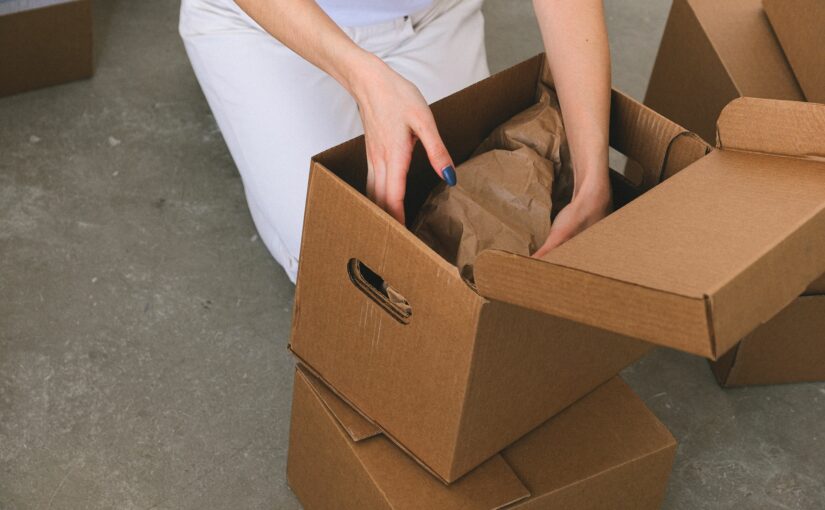
Buying a low-cost home in Miami can feel like you found a unicorn in the real estate world. The price looks great, and your imagination starts decorating every room before you’ve even found the keys. But moving into a cheap property has its own set of challenges. If you don’t plan well, the savings from the house can disappear into moving costs, repairs, and last-minute chaos. A smart move is less about fancy spreadsheets and more about asking the right questions before the boxes start piling up.
Budget the whole move
A cheap property is only a bargain if the move itself doesn’t eat your lunch money. Before you get too excited, map out every moving cost you can think of. That includes truck rental, fuel, tolls, boxes, tape, cleaning supplies, deposits, and possible storage. If you’re heading to South Florida or leaving it, comparing movers in Miami can also make sense when you want help with loading, transport, or timing around a busy city schedule.
You should also build in a “surprise fund.” Old homes love surprises. Sometimes they whisper. Sometimes they shout through a broken water heater. A good rule is to set aside at least a few hundred extra dollars for things you didn’t see coming.
If the home is far away, look at hotel stops, meals on the road, and time off work too. Moving costs are sneaky. They wear tiny shoes and still stomp all over your budget.
Know the property first
Before moving day, learn whether the home is truly ready for you. Some low-cost properties are move-in ready. Others are more like “move-in eventually, maybe, after a mop and a miracle.” You need clear details before the truck arrives.
Check whether utilities are on or easy to turn on. Ask about water, power, internet, and trash pickup. If the property is in a rural area, internet may be slower than your patience. Also find out if the driveway is steep, the road is narrow, or the entrance has tricky stairs. That stuff matters when you’re carrying a couch that already doesn’t fit your life choices.
Take measurements of doors, hallways, and rooms. You don’t want to discover that your giant sectional only fits if the wall disappears. Confirm parking options too, especially if movers or a large truck need space.
If repairs are still pending, decide whether to delay the move or bring only basics first. A house can be cheap and still demand a smart arrival plan.
Decide what to bring
This is where you can save real money. Moving fewer things usually means spending less. That sounds obvious, but people still drag half-broken chairs across three counties like they’re family heirlooms. Be honest about what is worth moving.
Start with the expensive-to-replace items you actually use. A solid bed, good tools, your daily kitchen gear, and a dependable desk may be worth bringing. Huge furniture that barely fit your old place may not deserve a ticket to the new one.
Think about the new home’s style and size. A tiny cottage, fixer-upper, or country property may call for a simpler setup. If you’re buying an under-$20K property, it often makes more sense to arrive light and furnish slowly than to force every old item into the space.
Make three groups:
– Keep and move
– Sell or donate
– Trash or recycle
That one step can cut hauling time, packing costs, and unpacking stress. Less clutter means a fresher start, and your back will thank you loudly.
Plan for rural realities
A lot of inexpensive properties are outside major cities, and that can change your moving plan in a big way. Rural moves often come with details that city buyers don’t think about until it’s too late.
For one thing, roads may be narrow, unpaved, or hard to find. Don’t assume your map app is a genius. It may send you down a goat path and call it a shortcut. Check the route in advance and ask locals if larger trucks can reach the property easily.
You may also have fewer nearby services. Need extra boxes, help unloading, or a hardware store run? That quick errand might take an hour. Cell service can be spotty too, so save directions and important phone numbers ahead of time.
If deliveries take longer in the area, order essentials early. Things like shower curtains, light bulbs, extension cords, and basic tools are boring until you need them right now. A little planning keeps the first few days from turning into a scavenger hunt.
Pack for a fresh start
Packing is not just about getting your stuff from one place to another. It’s about making your first week easier. If every box says “misc,” future you is going to have some strong opinions.
Label boxes by room and by purpose. “Kitchen – everyday dishes” is better than “kitchen stuff.” Keep a separate essentials bag or box with what you need for the first night. Think chargers, medication, toilet paper, snacks, bedding, soap, and a few changes of clothes. That box is your moving-day superhero.
Use towels, blankets, and clothes to wrap fragile things when possible. It saves money on packing materials and gives your towels a chance to feel important. For tools and hardware, use small bags and label them clearly, especially if you’re taking apart furniture.
Try packing in order of need. Seasonal items and decor can go first. Daily-use items should go last. If the property needs cleaning before unpacking, keep supplies easy to grab so you’re not digging through ten boxes just to find a sponge.
Settle in without overspending
Once you arrive, it’s tempting to fix everything at once. Try not to. The smartest move-in plan is to handle urgent needs first and let the rest wait until you understand the house better.
Focus on safety and basics. Check locks, lights, water, heat or cooling, and any leaks. Clean the most-used spaces first, especially the bathroom, kitchen, and sleeping area. If the place needs repairs, start with what protects the house or saves money, like plumbing issues or drafts.
Hold off on cosmetic upgrades for a bit. After a few weeks, you may realize the problem isn’t the ugly paint. It’s the missing shelves, bad lighting, or freezer that hums like it’s training for a concert.
It also helps to meet neighbors early. They often know useful things about trash days, local repair people, road conditions, and the history of the place. A cheap property can become a great home when you move in with clear eyes, a lean budget, and a little patience. You don’t need a perfect start. You just need a workable one.