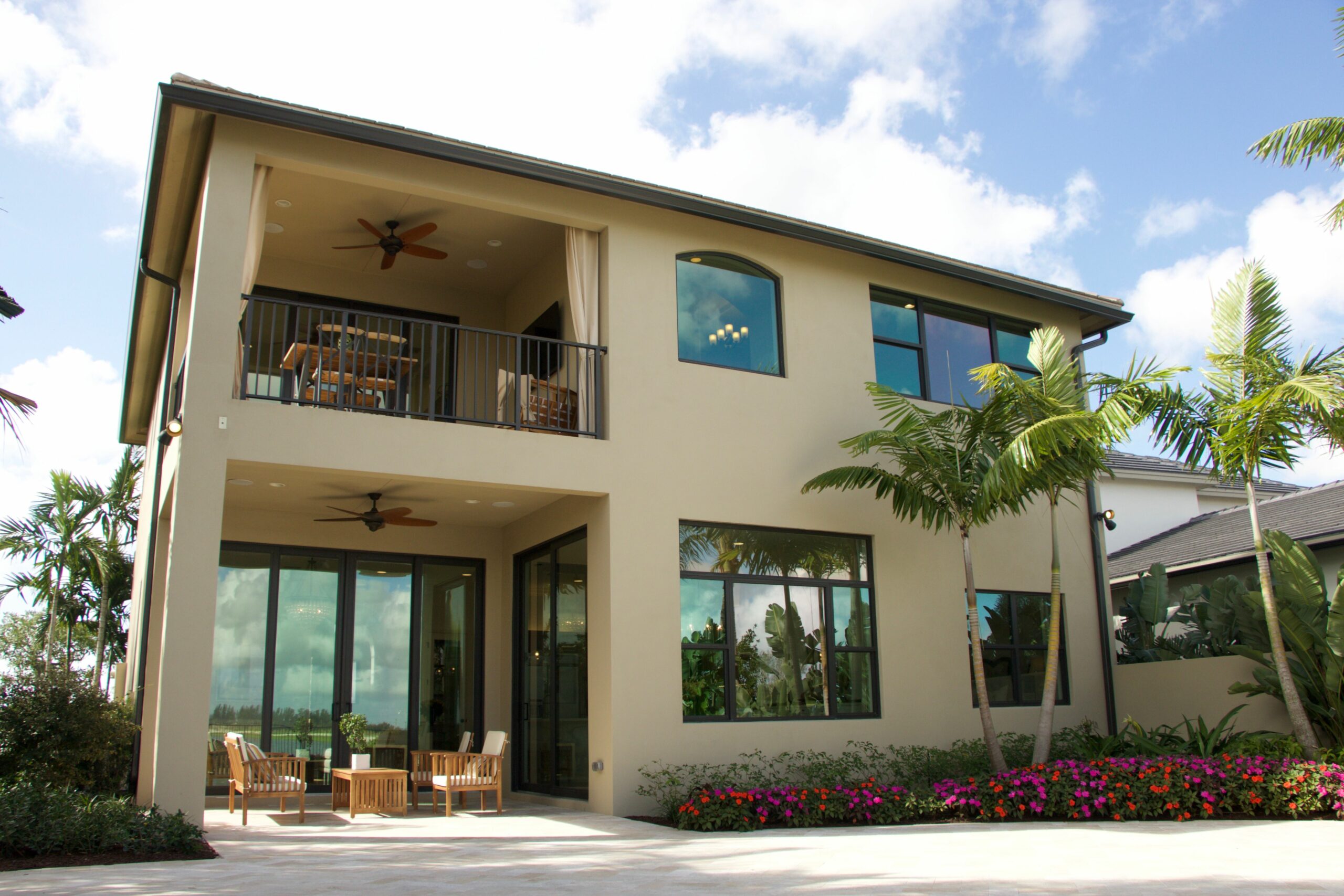
Buying a lower-cost Florida property can feel a bit like adopting a scruffy rescue dog. It may need work, but the potential is easy to love. One of the smartest places to look first is around the windows and doors. These openings affect comfort, storm protection, noise, moisture, and even your power bill. If you want a fixer-upper to become a livable home or a better rental, paying attention here can save you from bigger headaches later.
Why openings matter
In Florida, windows and doors do more than let in light and air. They stand between your home and heat, humidity, wind, and sideways rain that seems to have a personal grudge. If a budget property has old or weak openings, you may end up dealing with leaks, moldy smells, and rooms that feel like toaster ovens.
When you’re weighing replacement options, it helps to compare a Florida windows & doors company that focuses on storm-ready products with the needs of your specific home. That kind of match matters more than shiny brochures or sales talk.
On affordable properties, every upgrade has to earn its keep. Better windows and doors can lower day-to-day stress in a very practical way. They can help make the home quieter, harder for water to invade, and easier to cool. That means you’re not just fixing looks. You’re improving how the place behaves when Florida weather starts showing off.
Spotting trouble early
You don’t need superhero vision to notice when windows and doors are struggling. Start with the obvious stuff. If a window won’t open without a wrestling match, or a door sticks like it’s holding a grudge, something is off. It could be swelling, shifting, rust, or simple wear.
Look for fog trapped between glass panes, peeling paint near frames, water stains on the wall, or soft wood you can press with a fingernail. Drafts are another clue. If hot air sneaks in even when everything is shut, your cooling system is doing extra homework.
Some issues are mostly cosmetic. A worn handle or chipped trim might not be urgent. But moisture damage, loose frames, rot, and cracks can snowball fast. A small leak today can become mold, damaged drywall, and flooring trouble later. Budget homes often hide these problems under fresh paint, so take your time. If a window area smells musty, trust your nose. It’s usually not being dramatic.
Repair or replace
Not every problem means you need brand-new windows or doors. Sometimes a repair is enough. If the frame is solid, the glass is intact, and the issue is a bad latch, worn weatherstripping, or old caulk, a fix can buy you more time without draining your wallet.
Replacement makes more sense when the unit is very old, repeatedly leaks, has visible rot, or no longer closes properly. The same goes for single-pane windows in homes that get blasted by heat and storms. You can keep patching them, but at some point you’re feeding a money pit snacks every season.
Think about the full picture. If you spend a little now on repairs but still face high cooling bills, constant maintenance, and weak storm protection, replacing may be cheaper in the long run. Safety matters too. A door that doesn’t lock well or a frame that feels loose is not a charming vintage feature. It’s a problem. The best choice is the one that reduces repeat costs and makes daily life easier.
Best features to seek
If you’re shopping for replacements, keep your wish list simple and practical. In Florida, impact-resistant options are a big plus because they help handle storm debris and strong wind. Good seals also matter. Without them, you’re basically paying to air-condition the outdoors, which is generous but not very smart.
Choose materials that can handle moisture and sun without needing constant babysitting. Low-maintenance frames are helpful if the property is a rental or second home. Easy-clean designs also make a difference. Nobody wants a home project that requires acrobatics and a ladder every other week.
For doors, look for solid construction, dependable locks, and thresholds that help keep water out. For windows, smooth operation counts more than people think. If they’re easy to open and close, you’ll actually use them and notice problems sooner.
Fancy extras are nice, but focus on performance first. A good-looking window that leaks is just a very expensive picture frame. You want features that hold up under real life, not just under showroom lighting.
Budgeting without surprises
Window and door costs can jump around more than people expect. Size matters, of course, but so do materials, labor, permits, and the condition of the opening behind the old unit. If installers remove a frame and find rot, cracks, or water damage, your budget can suddenly develop stage fright.
A smart approach is to break the project into must-do and nice-to-do items. Prioritize openings with leaks, safety concerns, or severe damage first. A bedroom window with rot deserves attention before a back door with ugly but harmless trim.
Build in a cushion for surprises. Even a modest property can hide expensive little gremlins in the walls. Ten to fifteen percent extra is a sensible buffer. Also think about timing. If you can’t do the whole house at once, phase the work in a way that protects the most exposed sides first.
Cheap isn’t always the bargain it appears to be. Poor installation can undo a decent product, so balance price with reputation and experience. Saving money is great. Paying twice is not.
Small fixes that help
If full replacement isn’t happening yet, a few affordable steps can still improve comfort. Fresh caulk around frames can help block water and air leaks. New weatherstripping on doors is inexpensive and often makes a noticeable difference right away. It’s not glamorous, but neither is sweating indoors.
Clean window tracks and door thresholds so everything moves properly. Dirt buildup can trap moisture and make parts wear out faster. Check weep holes and drainage paths too. If water can’t escape, it tends to find creative ways to stay.
Inside the home, keep an eye on humidity. Use exhaust fans, clean up condensation, and address small moisture problems before they turn into mushroom territory. Trim plants that press against the house, since they can hold moisture near frames and hide damage.
These fixes help, but they aren’t magic. Caulk won’t solve a rotted frame, and weatherstripping won’t rescue a badly warped door. Think of these as smart maintenance moves, not excuses to ignore major trouble.
Making the upgrade count
The best window and door upgrades for a budget Florida property are the ones that improve daily life first. You want a home that feels cooler, drier, safer, and less needy. That’s true whether you’re fixing up a starter home, a rental, or a bargain buy with good bones and questionable attitude.
Try to choose improvements that pull double duty. Better storm protection can also support resale appeal. Stronger seals can make the home more comfortable and help with energy costs. Less maintenance means fewer weekend chores and fewer surprise repairs for future buyers or tenants.
You don’t need the fanciest options on the market. You need dependable ones that suit the home’s condition and your budget. If you stay focused on function, you’ll make smarter decisions and avoid the trap of spending money where it won’t matter much.
On an affordable property, every upgrade should feel useful. Windows and doors may not be the flashiest project, but they can quietly do some of the heaviest lifting. That’s not exciting dinner-party talk, but your wallet and your walls will appreciate it.