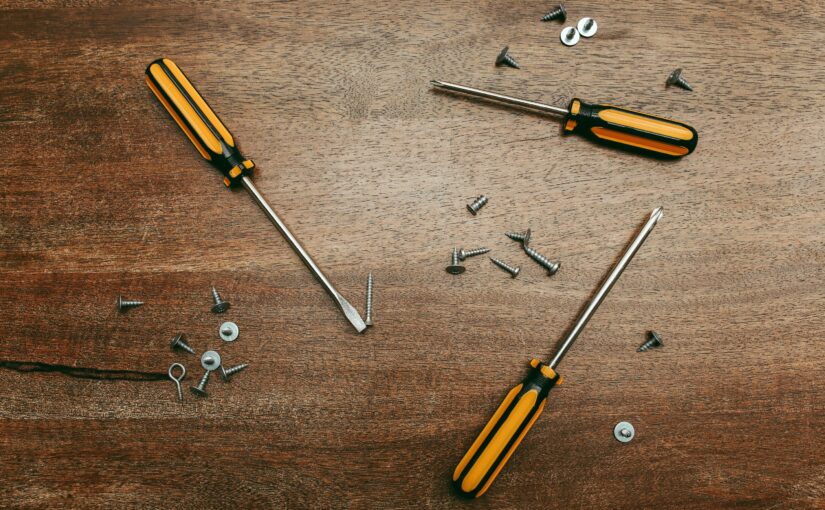
Have you ever wondered why two similar homes in Naples can end up with very different selling prices a few years down the road? The answer often has less to do with luxury upgrades and more to do with routine care. Home maintenance may not be exciting, but it quietly protects one of the biggest investments most people will ever make. A few affordable habits can prevent expensive damage, improve curb appeal, and help preserve property value over time.
Think of Maintenance as Prevention, Not Repair
Many homeowners wait until something breaks before taking action. It is an understandable habit because small issues rarely seem urgent. Unfortunately, home problems have a way of growing in the background while everyone pretends they are not there.
A loose shingle can become a roof leak. A small plumbing drip can lead to mold behind a wall. Preventive maintenance costs far less because it addresses problems when they are still manageable. Setting aside a small monthly budget for upkeep often saves thousands of dollars that would otherwise go toward emergency repairs.
Keep Your Yard Healthy Without Overspending
The condition of a yard creates an immediate impression. Buyers often form opinions about a property before they even reach the front door, which makes landscaping one of the most cost-effective ways to protect value.
A healthy lawn does not require expensive renovations. Regular mowing, seasonal fertilizing, and proper watering make a noticeable difference. Many local homeowners also invest in sprinkler repair in Naples when irrigation systems begin showing signs of uneven coverage. Dry patches, overwatered areas, and leaking sprinkler heads can increase water bills while reducing curb appeal. Addressing these issues early keeps landscaping attractive without creating unnecessary expenses.
Pay Attention to Your Roof
The roof works harder than almost any other part of the home. It faces intense sunlight, heavy rain, wind, and changing temperatures throughout the year. Despite this constant exposure, many homeowners rarely inspect it.
A visual roof inspection from the ground every few months can reveal missing shingles, debris buildup, or signs of damage. Cleaning gutters at least twice a year also helps protect the roof by directing water away from the structure. These simple steps reduce the risk of moisture problems that can hurt both property value and structural integrity.
Seal Out Air and Moisture
Small gaps around doors and windows often go unnoticed because they develop gradually. Homeowners get used to slight drafts in the same way people stop noticing a clock ticking in a quiet room.
Weather stripping and caulk are inexpensive materials that can improve energy efficiency while preventing moisture intrusion. Sealing gaps helps lower heating and cooling costs, which is attractive to future buyers. It also protects walls, flooring, and insulation from water-related damage that can become expensive if left untreated.
Maintain Plumbing Before Problems Escalate
Plumbing issues have a reputation for arriving at the worst possible time. A pipe never seems to burst during a convenient afternoon when nothing else is happening.
Checking under sinks, around water heaters, and near appliances for signs of leaks takes only a few minutes. Replacing worn supply lines and fixing dripping faucets are inexpensive projects that prevent larger problems. Water damage can significantly reduce property value because it often affects multiple areas of a home at once. Consistent inspections help avoid that chain reaction.
Refresh Paint and Exterior Surfaces
Paint serves a practical purpose beyond appearance. It acts as a protective barrier against moisture, sunlight, and normal wear. When paint begins to crack, peel, or fade, the materials underneath become more vulnerable to damage.
Touching up exterior paint, cleaning siding, and pressure washing driveways can dramatically improve a home’s appearance without requiring a major investment. A clean exterior sends a message that the property has been cared for, which is exactly what prospective buyers want to see when evaluating long-term value.
Service Heating and Cooling Systems Regularly
Heating and cooling equipment often receives attention only after performance starts declining. By then, efficiency has usually dropped, and repair costs may already be increasing.
Replacing air filters every one to three months is one of the easiest maintenance tasks a homeowner can perform. Annual professional inspections also help identify minor concerns before they develop into major failures. Well-maintained systems consume less energy, last longer, and create confidence among potential buyers who do not want to inherit expensive mechanical problems.
Protect Your Home’s Foundation
A home’s foundation rarely gets attention until a problem becomes impossible to ignore, yet it supports everything above it. Small cracks, poor drainage, and standing water around the property can gradually create structural concerns that are costly to correct. Homeowners should make sure gutters direct water away from the house, and that soil around the foundation slopes outward rather than toward the structure.
Inspecting visible foundation areas a few times each year can help identify early warning signs. Taking simple measures to manage moisture protects structural stability and helps preserve property value over the long term.
Create a Seasonal Maintenance Routine
One reason maintenance gets neglected is that homeowners try to remember everything at once. That approach usually works about as well as relying on memory for every password in modern life.
A seasonal checklist simplifies the process. Spring can focus on landscaping and exterior inspections. Summer may include irrigation checks and paint touch-ups. Fall is ideal for gutter cleaning and roof evaluations, while winter can be dedicated to plumbing and indoor systems. Breaking tasks into manageable pieces makes maintenance feel less overwhelming and increases the likelihood that important jobs will actually get done.
Property value is often protected through consistency rather than dramatic improvements. While major renovations attract attention, routine maintenance quietly preserves the condition, efficiency, and appearance of a home year after year. Simple actions such as inspecting the roof, maintaining plumbing, caring for landscaping, and sealing drafts require relatively little money but deliver substantial long-term benefits. Homeowners who stay ahead of small issues typically spend less on repairs and enjoy stronger resale potential when it is time to move. In a market where buyers pay close attention to signs of care and upkeep, affordable maintenance remains one of the smartest investments a homeowner can make.