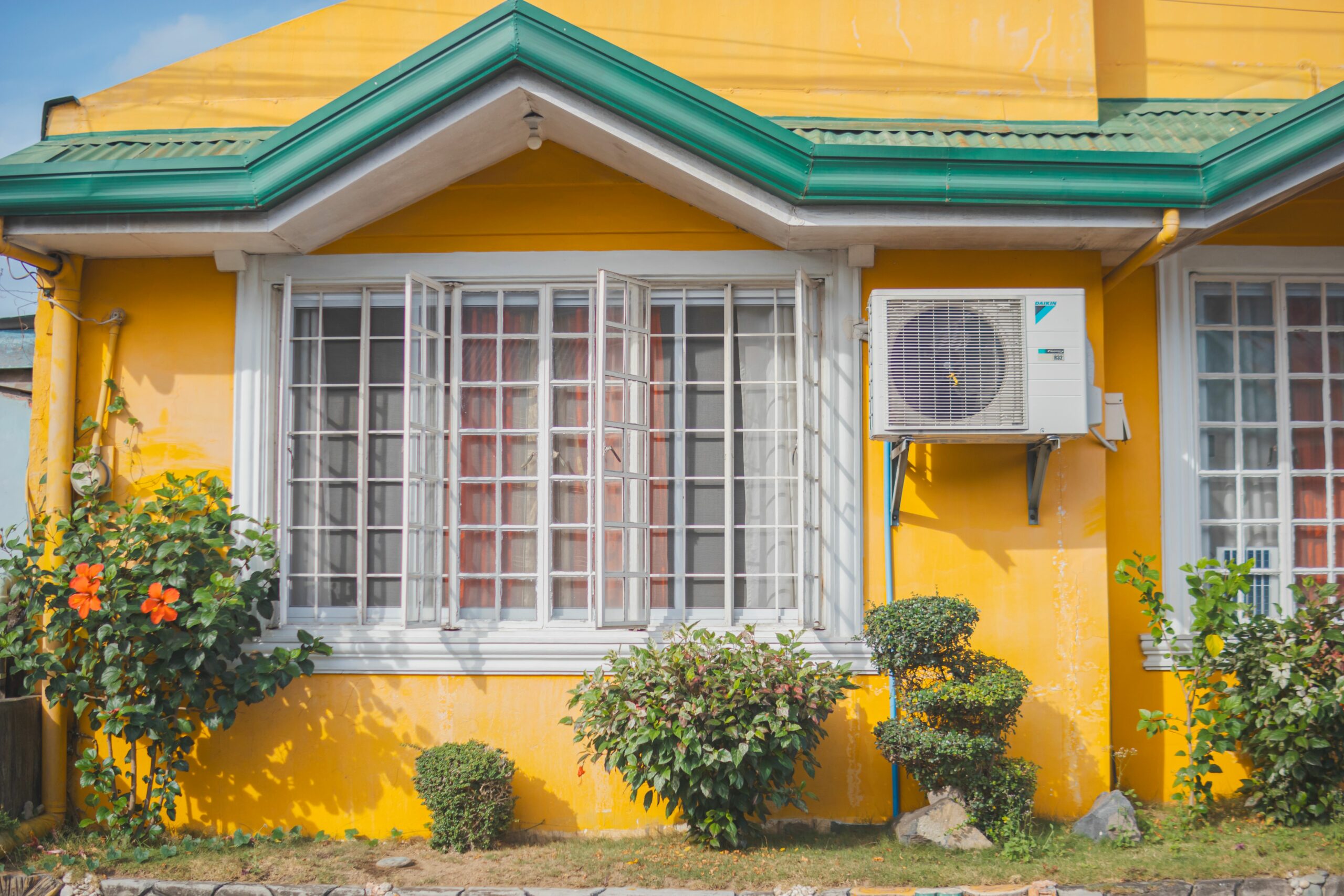
Older homes have charm, but they can also feel like giant toasters in summer. If you own a fixer-upper or a budget-friendly property, staying cool without overspending can feel tricky. The good news is that comfort usually comes from a mix of small fixes, smart habits, and knowing when a bigger problem needs attention. You do not need a fancy setup to make a real difference. You just need to know where cool air is escaping and what your house is trying to tell you.
Know Your Cooling Trouble
Before you spend money, it helps to figure out what kind of cooling problem you actually have. Sometimes the issue is the air conditioner. Other times, the system is doing its job, but the house is leaking cool air like a bucket with holes.
Start with the easy clues. If one room feels like a fridge and another feels like a sauna, airflow may be uneven. If the unit runs all day and still cannot catch up, you could have dirty filters, blocked vents, or poor insulation. Strange smells, weak airflow, and odd noises are also worth noticing.
Take a short walk through your home during the hottest part of the day. Touch the walls near windows and doors. Check whether upstairs rooms feel much warmer than downstairs. Look at curtains, attic access points, and older weatherstripping.
When you spot patterns, you can stop guessing. That saves money and keeps you from fixing the wrong thing first.
When To Call For Help
Some cooling issues are simple enough to handle on your own. You can change a filter, clear space around vents, and make sure furniture is not blocking airflow. You can also check whether your thermostat is set correctly. Those little steps matter more than people think.
Still, there comes a point when DIY turns into “do not make it worse.” If your system is blowing warm air, cycling on and off frequently, leaking, or making unusual grinding noises, it’s a good idea to schedule professional AC service and repair before the problem gets worse. That kind of help makes sense when comfort drops fast, or your energy bill suddenly jumps for no clear reason.
A good rule is this: if the problem affects the system itself, not just the room around it, call for help. Waiting too long can turn a smaller repair into a much bigger one.
Think of it like a car. You would not ignore a weird engine sound and hope it learns manners.
Seal Out Extra Heat
If your home cannot hold cool air, your AC has to work overtime. That is rough on your budget and on the unit itself. The fix is often less dramatic than people expect.
Start with windows and doors. If you feel warm air sneaking in around the edges, add weatherstripping or a door sweep. These are low-cost fixes that can make a room feel noticeably better. Blackout curtains or thermal curtains also help by blocking direct sun, especially in rooms that face west.
Do not forget the attic hatch, old window frames, and gaps around wall units or pipes. Small openings can let in a surprising amount of heat. You do not need superhero vision. A sunny afternoon and your hand near the frame can tell you a lot.
If your budget is tight, focus on the hottest rooms first. Even sealing two or three problem spots can reduce strain on your cooling system and make daily life more comfortable.
Help Air Move Better
Cool air needs a clear path through your home. If it cannot move well, your rooms will feel uneven no matter how hard the system works. Good airflow is one of those boring-sounding things that quietly changes everything.
Check that vents are open and not hidden behind sofas, beds, or storage bins. A blocked vent cannot do much, no matter how motivated it is. Replace dirty filters on schedule, because clogged filters make the whole system work harder while giving you less comfort.
Ceiling fans can also help a lot. They do not lower the room temperature, but they move air across your skin so the room feels cooler. In summer, fan blades should spin counterclockwise in most cases.
Keep interior doors open when possible, especially if your home has only a few return vents. That helps air circulate more evenly. In older homes, simple airflow changes can improve comfort faster than expensive upgrades.
Use Your Thermostat Wisely
A thermostat works best when you treat it like a steady guide, not a panic button. Cranking it way down does not cool your house instantly. It just tells the system to keep running longer. Sadly, thermostats are not magic wands.
Try to keep your settings consistent during the day. Huge temperature swings can make the system work harder, especially in older homes that warm up quickly. If you are gone for several hours, raise the temperature a bit, then bring it back when you return.
If you have a programmable thermostat, use it. Set a cooling schedule that matches your routine. You do not need anything fancy. Even a basic day-and-night setup can save energy and reduce wear.
It also helps to avoid heat buildup inside. Cook with smaller appliances when possible, turn off lights in empty rooms, and run dryers or ovens during cooler parts of the day. Your AC should cool the house, not battle every appliance at once.
Plan Upgrades In Stages
You do not need to fix everything in one summer. In fact, most homeowners do better when they improve comfort step by step. That is especially true in older or lower-cost homes, where every project competes for attention.
Start with the cheapest high-impact changes. Seal leaks, replace filters, add curtains, and improve airflow. After that, look at bigger upgrades like attic insulation, better windows, or thermostat improvements. If your cooling equipment is aging or unreliable, get it evaluated before sinking money into cosmetic fixes alone.
Think in terms of comfort per dollar. A modest insulation upgrade may help more than replacing something that still works fine. On the other hand, an AC system that breaks down every summer is basically asking for retirement.
The goal is not perfection. It is a home that feels manageable, comfortable, and less expensive to cool. Small smart changes add up, and over time, your house can stop feeling like a heat trap and start feeling like home again.