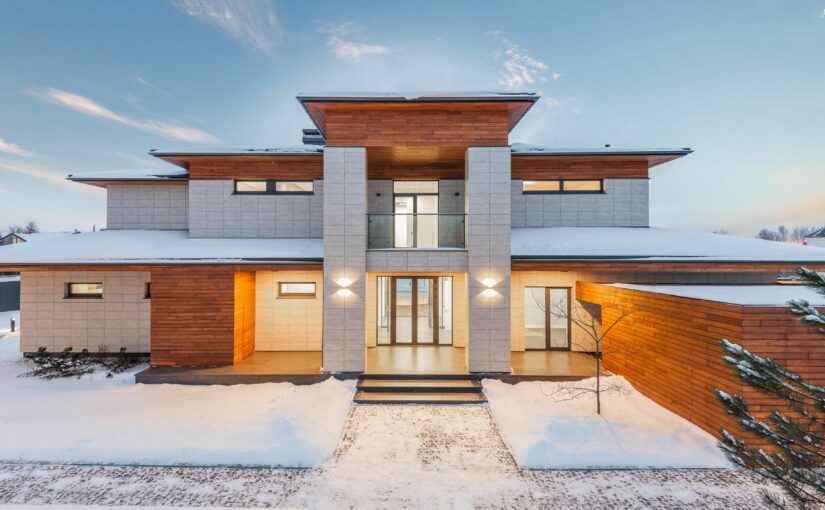
When you buy an affordable property, the outside of the home often tells the first part of the story. Peeling paint, loose gutters, and worn siding can make a place look harder to manage than it really is. The good news is that smart exterior updates do more than improve curb appeal. They help protect your investment, reduce future repair costs, and make the home feel cared for. If you focus on the right projects first, even a modest budget can go a long way.
Why Exterior Choices Matter
When you own a lower-cost home, every repair decision matters. Exterior problems are not just cosmetic. They often signal bigger issues that affect comfort, safety, and long-term value. A cracked step, damaged trim, or missing section of siding can let in water, pests, and expensive headaches.
That is why many owners look into exterior renovation services when the outside of the home needs more than a quick patch. Professional work can help you address visible wear while improving the home in ways that last. This is especially useful if the property has been vacant, neglected, or exposed to rough weather.
The outside of your house works like a shield. If that shield is weak, indoor repairs may not hold up for long. A fresh interior means less if rain is sneaking in around old trim. Starting outside often gives you better protection for every dollar you spend.
Start With A Walkaround
Before you make a budget or call anyone, take a slow walk around the property. Bring a notebook and your phone so you can take pictures. You are looking for signs of wear that are easy to miss when you only glance at the house from the driveway.
Check the roofline for sagging gutters, missing shingles near the edges, and stains under the eaves. Look at the siding for cracks, holes, warped panels, or fading that seems uneven. Pay attention to wood trim around windows and doors. If paint is peeling or wood feels soft, moisture may already be getting in.
Also, notice the ground around the home. Water should move away from the foundation, not gather near it. Steps, railings, and porches deserve a close look too. These areas affect both safety and appearance. A careful walkaround gives you a clearer picture of what needs urgent attention and what can wait without causing trouble.
Fix Water Problems First
If you find signs of water trouble, move those repairs to the top of your list. Water is patient, and that is exactly why it causes so much damage. It seeps into small openings, weakens materials over time, and often stays hidden until repairs become much more expensive.
Start with the basics. Gutters should be attached well and free of clogs. Downspouts should carry water away from the home, not dump it right beside the foundation. If the soil slopes toward the house, simple grading improvements may help prevent puddling and seepage.
Look for soft spots in wood trim, stains on exterior walls, mildew, and gaps around windows. These are not small details. They are clues. If a porch board feels spongy or siding looks bubbled, moisture may be trapped behind it. Taking care of water issues early protects the rest of your renovation budget. Dry homes behave better, last longer, and usually surprise you less.
Choose Repairs With Impact
Once the home is protected from water, focus on repairs that improve both function and appearance. This is where practical updates can really change how a property feels. You do not need luxury finishes. You need solid, visible improvements that make the home look maintained and dependable.
Siding repair is often worth the money because it covers a lot of visual space. Even replacing a damaged section can sharpen the whole exterior. A fresh coat of paint on trim, shutters, or the front door can also create a cleaner look without a major expense. Entry areas matter more than people think. If the front steps, handrail, or porch skirting look rough, the entire home can seem neglected.
Try to choose updates that solve a problem while improving curb appeal at the same time. That is the sweet spot. A repaired porch is safer and more inviting. New house numbers are small, but they make the place look organized. The goal is not to make the house flashy. It is to make it look sound and cared for.
Think About Energy Savings
Exterior improvements can also help you spend less on heating and cooling. That matters even more in budget homes, where older materials and years of wear often allow air to leak in and out. If the outside shell of the home is weak, your utility bills may keep reminding you.
Start by checking around doors, windows, vents, and utility openings. Small gaps can create steady drafts. Sealing those areas can improve comfort without turning the project into a major rebuild. If windows are old, damaged, or loose in the frame, exterior repairs around them may help performance even before full replacement is needed.
Insulation is not always visible from the outside, but exterior work can support it. Siding replacement, trim repair, and weatherproofing often create a chance to improve how the home holds temperature. You may not get applause from your walls, but they will stop letting your indoor air escape so easily. Better energy performance makes the home cheaper to own and easier to live in year-round.
Plan Around Resale Goals
Even if you plan to stay in the home, it helps to think like a future buyer. Most people respond well to properties that look simple, clean, and easy to maintain. That does not mean stripping away all personality. It means making smart choices that appeal to more than one type of owner.
Neutral paint colors usually work better than bold exterior combinations. They make the home look fresh and let buyers imagine their own style. Consistent materials also help. If one side of the house looks repaired and the other side looks forgotten, the overall impression suffers.
Choose finishes that are durable and practical. Low-maintenance trim, sturdy railings, and clean landscaping edges make a property feel manageable. Buyers often worry less about square footage when the home looks protected and orderly. On affordable properties, strong exterior presentation can create trust. It tells people the house has been cared for instead of simply covered up for a quick sale.
Build A Realistic Budget
A good exterior plan needs a budget that reflects real priorities. Start by dividing your list into three groups: urgent, soon, and optional. Urgent items include leaks, rot, drainage problems, and safety concerns. Soon, items are repaired that are stable now but may worsen within a season or two. Optional items are cosmetic upgrades that can wait.
Get estimates before you decide where to trim costs. Some repairs look simple but involve hidden labor or material issues. Leave room in your budget for surprises, especially if the home has been neglected. Older properties are not famous for tidy secrets.
Try not to spend heavily on cosmetic touches before the structure is protected. A beautiful front door will not impress you much if the gutter above it is failing. When your budget follows function first and appearance second, you usually get better results. You also create a home that feels stronger, looks better, and has a better chance of holding its value over time.