
Winter-Proofing Your Masonry: Tips from Experienced Contractors

As the chill of winter approaches, property owners face a critical challenge: protecting their masonry structures from the harsh effects of cold, moisture, and temperature fluctuations. While masonry is renowned for its strength and longevity, it is not immune to seasonal stress. Experienced contractors understand that winter-proofing masonry is not just a precaution—it’s a necessity. Without proper preparation, the combination of freezing temperatures and moisture can lead to significant damage, costly repairs, and compromised structural integrity. This article explores essential strategies for winter-proofing masonry, drawing on insights from seasoned professionals who have seen it all.

Understanding the Impact of Winter on Masonry

Winter poses a unique set of threats to masonry. The most significant is the freeze-thaw cycle. When water enters the porous surface of bricks, stones, or mortar and subsequently freezes, it expands. This expansion creates internal pressure that can crack or spall the masonry. Repeated cycles of freezing and thawing exacerbate the damage, leading to crumbling mortar joints, flaking surfaces, and even structural instability.

Moisture is another major concern. Snow, ice, and rain can saturate masonry surfaces, especially if drainage systems are inadequate or the building envelope is compromised. Once moisture penetrates the masonry, it can linger for weeks, increasing the risk of freeze-related damage. In addition, trapped moisture can lead to mold growth, efflorescence, and deterioration of interior finishes.

Inspection and Assessment: The First Step

Experienced contractors emphasize the importance of a thorough inspection before winter sets in. This involves examining the entire masonry structure for signs of wear, damage, or vulnerability. Cracks in bricks or mortar joints, loose stones, and areas of discoloration are red flags that require attention. Contractors often use moisture meters and infrared cameras to detect hidden dampness within walls, which may not be visible to the naked eye.

The roofline and foundation are particularly critical areas. Damaged flashing, clogged gutters, and poor grading around the foundation can all contribute to water infiltration. By identifying and addressing these issues early, property owners can prevent winter from exacerbating existing problems.

Repointing and Sealing: Reinforcing the Masonry Envelope

One of the most effective winter-proofing techniques is repointing. This process involves removing deteriorated mortar from joints and replacing it with fresh, weather-resistant mortar. Repointing not only restores the structural integrity of the masonry but also prevents water from entering through compromised joints. Contractors recommend using mortar mixes that are compatible with the original materials to avoid mismatched expansion rates and further damage.

Sealing is another key strategy. Water-repellent sealants can be applied to masonry surfaces to reduce moisture absorption. However, contractors caution against using non-breathable sealants, which can trap moisture inside the wall and lead to internal decay. Breathable, vapor-permeable sealants allow moisture to escape while still providing protection against rain and snow.

Drainage and Moisture Management

Proper drainage is essential for winter-proofing masonry. Masonry contractors Brooklyn often begin by ensuring that gutters and downspouts are clear of debris and functioning correctly. Water should be directed away from the building’s foundation using splash blocks or underground drainage systems. In some cases, French drains or sump pumps may be installed to manage groundwater effectively.

Exterior grading should slope away from the building to prevent water from pooling near the foundation. Contractors also recommend inspecting window wells, basement walls, and other vulnerable areas for signs of water intrusion. Installing waterproof membranes or coatings on foundation walls can provide an additional layer of defense against moisture.

Insulation and Interior Protection

While masonry is an excellent insulator, additional measures may be necessary to protect interior spaces during winter. Contractors often advise adding insulation to attic spaces, crawl areas, and wall cavities to reduce heat loss and prevent condensation. Proper ventilation is equally important. Without adequate airflow, moisture can accumulate within walls, leading to mold growth and material degradation.

Interior finishes such as drywall, paint, and flooring should be monitored for signs of dampness. If moisture is detected, it’s crucial to address the source rather than simply treating the symptoms. Contractors may recommend installing vapor barriers or dehumidifiers to maintain a dry and stable indoor environment.

Historic Masonry: Special Considerations

Winter-proofing historic masonry requires a delicate balance between preservation and protection. Contractors with experience in historic restoration understand the importance of using traditional materials and techniques. Modern sealants or mortars may not be compatible with older masonry and can cause more harm than good.

In historic buildings, the goal is often to manage moisture rather than eliminate it entirely. Lime-based mortars, for example, allow for natural movement and breathability, which helps regulate moisture levels. Contractors may also use specialized tools and methods to repair cracks and joints without compromising the building’s original character.

Long-Term Maintenance and Monitoring

Winter-proofing is not a one-time task—it’s part of a long-term maintenance strategy. Contractors recommend regular inspections throughout the winter season, especially after heavy snowfalls or freezing rain. Monitoring the condition of masonry surfaces, drainage systems, and interior finishes can help detect problems early and prevent costly repairs.

Documentation is also valuable. Keeping records of inspections, repairs, and weather conditions allows property owners to track patterns and anticipate future needs. Contractors often provide maintenance schedules and checklists to help owners stay proactive and informed.

Conclusion

Winter-proofing masonry is a vital responsibility for property owners who want to protect their investment and ensure the longevity of their buildings. With insights from experienced contractors, it’s clear that preparation, inspection, and maintenance are the cornerstones of effective winter protection. From repointing and sealing to drainage and insulation, each step plays a crucial role in defending masonry against the rigors of winter. By taking action before the first frost, property owners can enjoy peace of mind and a resilient structure that stands strong through the coldest months of the year. For expert help navigating DOT and DOB sidewalk issues in New York City, trust the professionals at Nycsidewalkviolations.com to get the job done right.
Small Kitchen, Big Impact: Space-Saving Renovation Tips You’ll Love

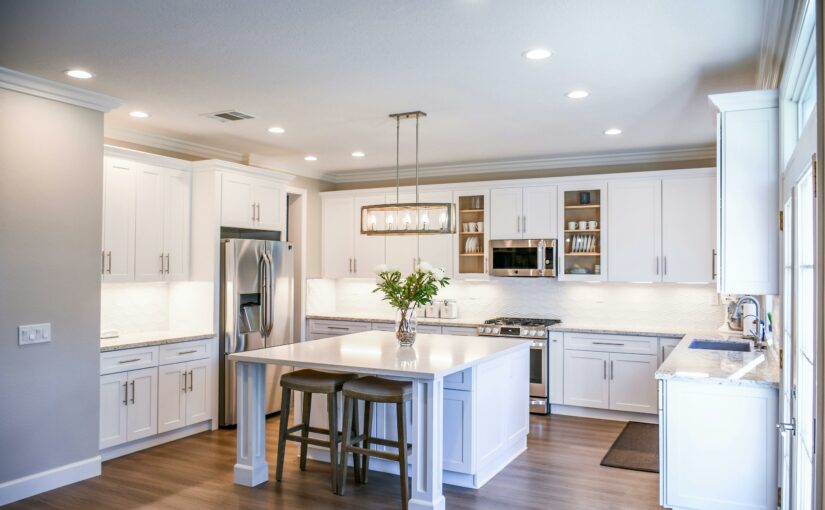
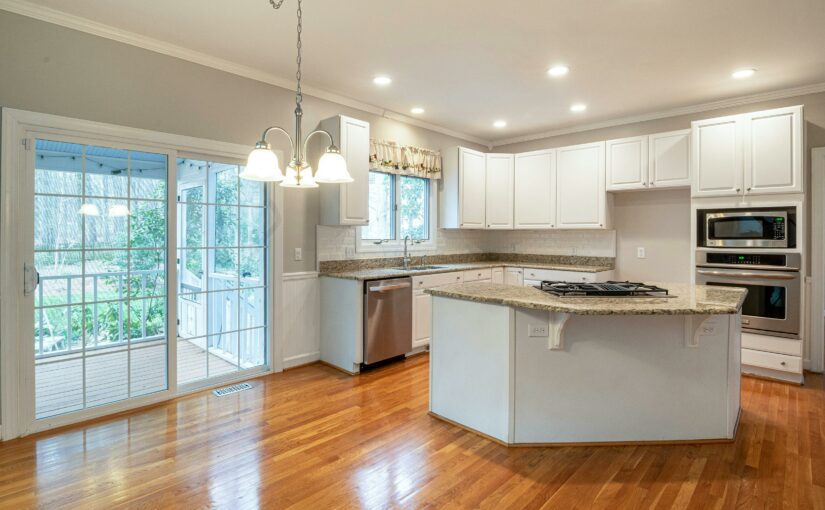
A small kitchen doesn’t have to mean small potential. In fact, with the right renovation strategies, even the most compact culinary space can be transformed into a stylish, functional, and efficient hub of the home. Whether you’re working with a galley kitchen in an apartment or a cozy corner in a bungalow, smart design choices can make a world of difference. In 2025, space-saving innovations and clever layouts are redefining what’s possible in small kitchen renovations. Here’s how to make a big impact with limited square footage.

Rethink the Layout for Maximum Efficiency

The layout of a kitchen determines how well it functions, especially when space is at a premium. Traditional designs may not suit smaller kitchens, so it’s essential to explore alternatives that prioritize movement and accessibility. Galley kitchens, with parallel counters and a central walkway, offer a streamlined workflow. Single-wall kitchens are ideal for studio apartments, keeping everything within arm’s reach. If your space allows, incorporating a compact island or peninsula can add prep space and seating without overwhelming the room. The goal is to create a layout that supports cooking, cleaning, and socializing without clutter or congestion.

Choose Appliances That Fit the Space

Modern appliances are becoming increasingly compact and multifunctional, making them perfect for small kitchens. Slim refrigerators, narrow dishwashers, and combination microwave-oven units are designed to save space while delivering high performance. Induction cooktops with built-in ventilation eliminate the need for bulky range hoods. In 2025, smart appliances are also gaining popularity, offering features like remote control, energy monitoring, and voice activation. Selecting appliances that match your kitchen’s dimensions and needs ensures that every inch is used wisely and nothing feels oversized or out of place.

Make Use of Vertical Space

When floor space is limited, vertical storage becomes essential. Tall cabinets that extend to the ceiling provide ample room for pantry items, cookware, and small appliances. Open shelving can be used to display frequently used items or decorative accents, adding personality without clutter. Hanging racks for pots, pans, and utensils keep essentials within reach while freeing up drawer space. In 2025, modular shelving systems are increasingly popular, allowing homeowners to customize their storage solutions to fit their unique needs and kitchen dimensions.

Lighten Up with Color and Lighting

Color and lighting have a profound effect on how spacious a room feels. Light colors such as white, cream, and soft pastels reflect light and create an airy atmosphere. Glossy finishes on cabinets and backsplashes enhance this effect by bouncing light around the room. Natural light is ideal, so consider enlarging windows or adding a skylight if possible. When natural light is limited, layered lighting can create depth and dimension. Under-cabinet lights illuminate work surfaces, while pendant lights add style and focus. In 2025, LED technology allows for customizable lighting schemes that adapt to different tasks and moods.

Streamline Design for a Clean Look

A cluttered kitchen feels smaller than it is. Streamlining your design by minimizing visual noise can make a big difference. Choose cabinet fronts with clean lines and integrated handles. Opt for a monochromatic color scheme or subtle contrasts to create a cohesive look. Hide appliances behind cabinet panels for a seamless appearance. In 2025, minimalist design continues to dominate, emphasizing simplicity and functionality. By reducing unnecessary details and focusing on essential elements, you can create a kitchen that feels open and inviting.

Incorporate Flexible Features

Flexibility is a game-changer in small kitchen design. Foldable countertops, drop-leaf tables, and extendable islands provide additional workspace when needed and tuck away when not in use. Movable carts and trolleys can serve as prep stations, storage units, or even dining surfaces. These features allow you to adapt your kitchen to different tasks and occasions, making the most of limited space. In 2025, designers are embracing modular furniture that can be reconfigured to suit changing needs, offering a dynamic approach to small-space living.

Invest in Smart Storage Solutions

In a small kitchen, every drawer and cabinet must work hard. Pull-out shelves, lazy Susans, and corner drawers make it easier to access items stored in tight spaces. Drawer dividers and stackable containers help organize utensils, spices, and dry goods. Toe-kick drawers beneath lower cabinets offer hidden storage for flat items like baking sheets. In 2025, smart storage solutions are increasingly integrated with technology, including app-controlled inventory systems and motion-sensor lighting inside cabinets. These innovations not only save space but also improve convenience and reduce clutter.

Personalize with Purpose

Even in a small space, your kitchen should reflect your personality and lifestyle. Thoughtful personalization can make the space feel uniquely yours without overwhelming it. Consider a bold backsplash, a statement light fixture, or a curated collection of dishware. Use artwork or plants to add warmth and character. In 2025, personalization is about balance—infusing charm and individuality while maintaining functionality and flow. The goal is to create a space that feels both practical and inspiring.

Final Thoughts

Manhattan kitchen renovation presents unique challenges, but it also offers exciting opportunities to innovate and personalize. With smart planning, creative solutions, and a focus on efficiency, you can transform even the tiniest kitchen into a stylish and functional hub. In 2025, space-saving design is more advanced and accessible than ever, empowering homeowners to make a big impact with small spaces. Whether you’re updating a rental or reimagining your forever home, these renovation tips will help you unlock the full potential of your kitchen. For expert guidance on sidewalk repairs and DOT compliance, landlords can turn to trusted resources like NYCrenovation.com.

Listing Strategies for Bargain-Buyers: What Sellers Are Thinking Right Now

When the market shifts, so do mindsets. Sellers who once held firm on price are rethinking their approach as bargain-hunters become bolder and more data-driven. In 2025, home buyers aren’t just looking for deals—they’re demanding value. For sellers, that means understanding what drives these buyers and crafting listings that balance profit with appeal.

In this article, we’ll break down how today’s price-sensitive buyers are shaping seller strategies, from creative concessions to the psychology behind pricing. Whether you’re a real estate agent guiding clients or a seller recalibrating expectations, these insights will help you adapt to a market where value reigns supreme.


Buyer Trends: Value Over Vanity

Let’s start with what buyers are doing differently. The 2024 Profile of Home Buyers and Sellers by the National Association of REALTORS® (NAR) found that 65% of sellers didn’t reduce their asking price, while 21% had to cut it once. That means nearly one in five homes required a price adjustment to meet buyer expectations. The median home stayed on the market for three weeks, which may sound quick—but for anxious sellers, even that can feel like an eternity.

Buyers have grown savvier, using online platforms and data to compare listings, track price changes, and identify overvalued properties. Many come pre-armed with mortgage calculators and neighborhood comps, making emotional pricing a risky game for sellers.

Meanwhile, according to Zillow’s 2024 Sellers Report, only about 3% of U.S. households recently sold a home, and the median seller age is 47. With many staying put due to high mortgage rates, the listings that do appear tend to draw sharp-eyed bargain-seekers.


Seller Adaptation: Playing Offense in a Buyer-Driven Market

The balance of power has shifted—but opportunity remains. Sellers are finding creative ways to meet the moment rather than fight it.

1. Strategic Pricing, Not Panic Cuts

Sellers are learning that the first price drop can sting—and buyers can smell desperation. Instead of slashing prices, some agents are using psychological pricing tactics: listing at $299,900 instead of $300,000, or setting an odd price point to stand out in search results.

As Clever Real Estate notes, 45% of sellers rejected their highest offer before settling for less later on. That statistic alone underscores how overconfidence can cost thousands.

2. Concessions as Negotiation Tools

In today’s market, flexibility speaks louder than price cuts. According to the Southeast Home Seller Sentiment Report, 68% of sellers are willing to offer concessions such as repair credits, closing cost assistance, or mortgage rate buydowns. It’s a win-win: buyers feel supported, and sellers preserve headline pricing.

The same report also reveals that 80% of sellers feel anxious about selling, and 62% say market news influences their decisions. That emotional volatility can push sellers toward reactive decisions—or, when guided properly, toward strategic flexibility.

3. Highlighting Value in the Listing Itself

The way a listing reads can make all the difference. On platforms like PropertyUnder20k, buyers are often filtering for affordability. That means emphasizing things like low utility costs, nearby amenities, and renovation potential. Sellers who present value instead of luxury are seeing stronger engagement and quicker offers.

4. Leveraging Technology (and a Little AI)

Interestingly, 38% of sellers from the same southeast home-seller sentiment survey said they’re open to using AI tools like ChatGPT to optimize listing descriptions. It’s no longer just about pretty pictures—AI-driven text and pricing analytics are helping sellers position their homes strategically.


The Psychology of Negotiation: Why Value Isn’t Just About Price

Selling a home is equal parts math and mindset. Let’s look at the psychological side of buyer-seller interactions.

Anchoring: The Power of the First Number

The initial listing price sets the psychological anchor. Even when buyers know they’re going to negotiate, that first figure defines the playing field. A smartly chosen anchor price—not too high, not too round—helps keep negotiations centered where sellers want them.

Scarcity and FOMO (Fear of Missing Out)

Even in a value-driven market, buyers can still be nudged by urgency. Limited showing windows, “just listed” highlights, and small competitive hints (“Two other buyers have expressed interest”) can trigger emotional urgency.

Reciprocity: Give a Little, Get a Lot

Offering small, thoughtful concessions (say, a home warranty or appliance credit) can make buyers feel the seller is cooperative. That goodwill often leads to smoother negotiations—and occasionally, higher final offers.

Loss Aversion: The Seller’s Trap

Sellers often overvalue their own homes—a cognitive bias called the endowment effect. Data from Clever Real Estate showed that nearly half of sellers rejected their best offers. Many did so because of emotion, not logic. Understanding this can help agents reframe conversations toward market realities instead of personal attachments.


Regional Realities: Where Seller Sentiment Hits Hardest

The emotional side of selling isn’t uniform across the country. In the Mark Spain Real Estate study, 69% of sellers with mortgages delayed selling because of high interest rates—and 45% postponed for over six months. In markets like the Southeast, that’s led to pent-up inventory and longer decision cycles.

In contrast, the Texas REALTORS® 2024 report found that 52% of sellers purchased newer homes after selling—often upgrading cautiously, rather than stretching budgets. These regional differences matter: sellers in hot zones might still enjoy bidding wars, but elsewhere, patience and creativity are the new currency.


Expert Tips for Today’s Sellers

Here are a few proven strategies agents and sellers can use to stay competitive without caving to every lowball offer.

1. List on a Thursday

According to multiple agent surveys, homes listed late in the week get more weekend traffic. That first 72-hour window is critical for engagement and can set the tone for the entire listing.

2. Stage for Screens

With most buyers starting online, good photos aren’t optional. Virtual staging, 3D tours, and natural light can elevate a listing’s visibility. Remember: listings with 3D tours are viewed up to 60% longer than those without (Zillow).

3. Sell the Lifestyle, Not Just the Property

Buyers want a vision of how they’ll live there. Highlight walkability, outdoor space, or community features. Even modest homes feel more valuable when they’re framed around comfort and connection.

4. Respond Quickly to Inquiries

Speed equals sincerity. Sellers who reply to inquiries within 24 hours are statistically more likely to receive follow-up interest—and offers. Small touches, like friendly tone or flexibility on viewing times, can humanize the transaction.

5. Work With an Agent (It Pays—Literally)

Per Clever Real Estate’s findings, sellers who used an agent earned $46,603 more profit on average. It’s not just about experience; agents bring objectivity and negotiation skill that often offset their commissions many times over.


How Long Are Homes Really Staying on the Market?

Let’s dig into timing. The NAR data puts the median time on market at three weeks, but that varies widely by region and price bracket. Entry-level and affordable listings tend to move faster, while mid-range and luxury homes often linger.

Agent-assisted sales also close faster. According to NAR’s Quick Real Estate Statistics, 53% of agent-listed properties went under contract within one month, compared to only 39% for FSBO sellers. That’s a significant edge for anyone looking to keep momentum.


The Big Picture: Confidence Is Coming Back

Despite the anxiety and delays, there’s optimism bubbling beneath the surface. The Southeast Home Seller Sentiment Survey found that 72% of sellers expect to get their full asking price or more, even though 56% of homes nationwide sell below asking price. That confidence, while slightly inflated, reflects a broader truth: sellers are learning to adapt. And adaptation breeds resilience.

The next phase of the market will reward those who think creatively, price strategically, and communicate clearly. For sellers, it’s not just about listing—it’s about storytelling, psychology, and meeting value-driven buyers where they are.


Conclusion: Selling Smart in a Value-Centered Market

Today’s bargain-focused buyers aren’t a threat—they’re a signal. They’re showing sellers what resonates: transparency, value, and flexibility. Sellers who listen are finding success, even in a cautious market.

By embracing data, leaning into concessions when needed, and understanding buyer psychology, sellers can craft listings that move properties faster—without feeling like they’re giving away the house. In short, the market may have shifted, but the sellers who adapt will always find their buyers.

How to Maximize Space During Kitchen & Bath Renovation Near Me

Renovating a kitchen and bathroom is an exciting opportunity to enhance both functionality and aesthetics. These two areas are among the most used spaces in any home, and their design plays a significant role in daily comfort and convenience. However, one of the most common challenges homeowners face during renovation is making the most of limited space. Whether you live in a compact apartment or a modest-sized house, maximizing space during a kitchen and bath renovation requires strategic planning, smart design choices, and a clear understanding of your lifestyle needs. With the right approach, even the smallest spaces can be transformed into efficient, stylish, and welcoming environments.

Start with a Clear Assessment of Your Space

Before diving into design ideas and material selections, it’s essential to assess the existing layout and identify areas that feel cramped or underutilized. Take note of traffic flow, storage limitations, and any awkward corners or dead zones. Understanding how you currently use the space will help you prioritize changes that offer the greatest impact. Consider how often you cook, entertain, or share the bathroom with family members. These insights will guide your renovation goals and ensure that every square foot is optimized for your lifestyle.

Embrace Open and Functional Layouts

One of the most effective ways to maximize space is by rethinking the layout. In kitchens, open floor plans that connect to dining or living areas can create a sense of spaciousness and improve functionality. Removing unnecessary walls or barriers allows for better movement and interaction. In bathrooms, replacing bulky tubs with walk-in showers or combining the vanity and storage into a single unit can free up valuable floor space. The goal is to create a layout that feels open and intuitive, where every element serves a purpose without overwhelming the room.

Choose Compact and Multi-Functional Fixtures

Selecting the right fixtures is crucial when working with limited space. In the kitchen, opt for slim-profile appliances that offer full functionality without taking up excess room. Built-in ovens, under-counter refrigerators, and drawer-style dishwashers are excellent choices for compact kitchens. In the bathroom, wall-mounted toilets, floating vanities, and corner sinks can make a significant difference. Multi-functional fixtures, such as combination washer-dryers or mirrored medicine cabinets with storage, help reduce clutter and streamline the design. Prioritizing compact and versatile fixtures ensures that the space remains efficient and visually balanced.

Maximize Vertical Space for Storage

When floor space is limited, look up. Vertical storage solutions can dramatically increase the usability of a room without expanding its footprint. In the kitchen, tall cabinets that reach the ceiling provide ample storage for pantry items, cookware, and seasonal accessories. Open shelving offers easy access and adds a decorative touch. In the bathroom, over-the-toilet cabinets, wall-mounted shelves, and recessed niches create storage opportunities without encroaching on floor space. Utilizing vertical space not only improves organization but also contributes to a cleaner and more spacious appearance.

Incorporate Light and Reflective Surfaces

Lighting plays a vital role in how a space feels. Bright, well-lit rooms appear larger and more inviting. Natural light is ideal, so consider enlarging windows or adding skylights where possible. In areas with limited sunlight, use layered lighting that includes ambient, task, and accent sources. Reflective surfaces such as glossy tiles, glass shower enclosures, and mirrored backsplashes can amplify light and create the illusion of depth. Light-colored finishes and minimalistic design elements further enhance the sense of openness, making the space feel more expansive and airy.

Customize Storage to Fit Your Needs

Generic storage solutions often fail to address specific household needs. Custom cabinetry and built-ins tailored to your habits and routines can make a world of difference. In the kitchen, pull-out spice racks, corner carousels, and drawer dividers keep essentials organized and accessible. In the bathroom, vanity drawers with compartments, hidden laundry hampers, and slide-out organizers reduce clutter and improve usability. Custom storage ensures that every item has a designated place, which helps maintain a tidy and efficient environment.

Use Visual Continuity to Unify Spaces

Visual continuity is a subtle yet powerful tool in space optimization. Using consistent materials, colors, and design motifs throughout the kitchen and bathroom creates a cohesive look that feels larger and more harmonious. For example, matching cabinet finishes or using similar tile patterns can visually connect the two spaces. Streamlined hardware and minimalist decor reduce visual noise and contribute to a sense of calm. When the design flows seamlessly, the entire home feels more spacious and thoughtfully curated.

Work with Local Experts for Personalized Solutions

Hiring professionals who understand the local market and building codes can simplify the renovation process and ensure optimal results. Contractors and designers near you are familiar with common space constraints and can offer creative solutions tailored to your home. They can also recommend materials and fixtures that are readily available, reducing delays and costs. Collaborating with local experts allows for a more personalized approach, where your preferences and priorities are integrated into every aspect of the renovation.

Conclusion

Maximizing space during a kitchen and bath renovation is about more than just clever design—it’s about creating environments that support your lifestyle and enhance your daily routines. By assessing your needs, embracing open layouts, choosing compact fixtures, and utilizing vertical storage, you can transform limited areas into functional and beautiful spaces. Thoughtful lighting, customized storage, and visual continuity further elevate the experience. With the guidance of local professionals and a clear vision, your renovation can unlock the full potential of your home, making it more comfortable, efficient, and enjoyable for years to come. Transform your space into a masterpiece of modern design with expert craftsmanship from NYCrenovation.com.

Why Precision Environments Depend on Humidity Control

Humidity has a way of making itself known in places where precision really matters. In the UK, damp air is almost a given, and all that moisture does more than just fog up windows. It can sneak into materials, throw off measurements, and even put the brakes on production. Maintaining a precision environment is not only about having the best machines or the tightest procedures. It’s also about managing the air that touches every single surface in your workspace.

The UK Humidity Problem

Think of relative humidity as the air’s capacity for holding water. Around Britain, this level often stays high, meaning moisture is always present and ready to cause problems. This can lead to metals wanting to oxidise, powders starting to clump together, cardboard losing its shape and strength, and important seals beginning to sweat. In environments with tight tolerances, these small changes can accumulate, leading to product rejects, rework, and lost operational hours. Anyone running calibration labs, pharmaceutical tablet rooms, cold stores, or high-care packing areas will recognise this pattern.

Accuracy & Moisture

Moisture in the air has a direct impact on many materials and processes. For instance, corrosion can begin on metals at surprisingly low humidity levels. With the UK’s typical atmospheric conditions, unprotected metal parts are constantly at risk. Hygroscopic products, such as powders, absorb water directly from the air. This changes their weight, texture, and flow characteristics, which can disrupt dosing and coating applications. Condensation on surfaces and packaging invites the risk of mould growth and can cause labels to fail, which is a serious issue for audits and product shelf life. For electronics and optics, fluctuating moisture levels can skew readings and shorten the life of components.

Heating and Ventilation Only Get You So Far

Turning up the heat can lower the relative humidity, but this approach consumes a lot of energy and can introduce thermal stress to certain processes. Ventilation is another common method used to keep air moving. However, if the air being brought in from outside is just as wet, you are simply circulating the same problem. Both of these methods might help people feel more comfortable, but they do not actually remove water from the air. A precision process needs a level of control that you can set and consistently maintain. A commercial dehumidifier is designed to deliver exactly that.

How Control Stays Steady

Modern systems actively monitor relative humidity in real time and physically remove moisture from the air before it has a chance to settle on any surfaces. You choose the specific setpoint you need, and the system works to hold it there, meaning you no longer have to worry about seasonal swings in humidity. Conditioned air is directed to the areas where it is most needed, preventing microclimates from forming around processes that generate heat or moisture. The positive effects often include cleaner sensors, faster changeovers between production runs, and fewer interruptions due to quality control issues.

Smoke Damage Restoration: Choosing the Right Cleaning Products

Smoke damage is one of the most persistent and challenging consequences of a fire. Even after the flames are extinguished and the debris is cleared, the lingering effects of smoke can continue to compromise the integrity of a home and the health of its occupants. Smoke particles settle on surfaces, penetrate porous materials, and leave behind stains and odors that are difficult to remove. Effective restoration requires not only skill and strategy but also the right cleaning products. Choosing appropriate solutions is essential to ensure thorough cleaning, prevent further damage, and restore the property to a safe and livable condition.

Understanding the Nature of Smoke Residue

Before selecting cleaning products, it is important to understand the nature of smoke residue. Smoke is composed of microscopic particles and gases produced by incomplete combustion. These particles vary depending on the materials burned. For example, wood fires produce dry soot that is powdery and easier to clean, while synthetic materials like plastics and rubber generate oily soot that smears and clings to surfaces. Protein fires, common in kitchens, leave behind a nearly invisible residue that emits a strong odor and resists conventional cleaning methods. Each type of residue requires a tailored approach, and using the wrong product can worsen the damage or leave behind traces that continue to degrade surfaces over time.

The Importance of pH Balance in Cleaning Agents

One of the key considerations when choosing cleaning products for smoke damage is pH balance. Smoke residues are often acidic, which means they can corrode metals, degrade paint, and weaken building materials. Cleaning agents with a neutral or slightly alkaline pH are typically recommended to counteract this acidity. Alkaline cleaners are effective at breaking down oily soot and neutralizing corrosive particles. However, they must be used carefully, as overly alkaline solutions can damage delicate surfaces. Understanding the chemistry of both the residue and the cleaning product ensures that the treatment is effective without causing additional harm.

Choosing Products for Different Surfaces

Different surfaces in a home require different cleaning products. Non-porous surfaces such as tile, glass, and metal can often be cleaned with general-purpose degreasers or mild detergents. These products lift soot without penetrating the material, making them suitable for initial cleaning. Porous surfaces like drywall, wood, and fabric demand more specialized solutions. Chemical sponges, also known as dry cleaning sponges, are commonly used for walls and ceilings. These sponges are designed to absorb soot without smearing it, making them ideal for dry soot removal. For oily residues, solvent-based cleaners may be necessary to dissolve and lift the particles.

Upholstery and textiles require gentle yet effective products that can penetrate fibers without causing discoloration or damage. Enzyme-based cleaners are often used for protein residues, as they break down organic compounds and eliminate odors. Odor-neutralizing detergents are essential for laundering smoke-damaged clothing and linens. It is important to avoid bleach or ammonia-based products unless specifically recommended, as these can react with smoke residues and produce harmful fumes.

Products for Odor Elimination

Smoke odors are notoriously difficult to eliminate. They linger in fabrics, wood, insulation, and even paint. Masking the smell with air fresheners or surface sprays is ineffective and can lead to frustration. Professional-grade odor eliminators are designed to neutralize odor molecules rather than cover them up. Ozone generators release ozone gas that oxidizes odor-causing particles, effectively breaking them down. While highly effective, ozone treatment must be conducted with caution, as high concentrations can be harmful to humans and pets. Hydroxyl generators offer a safer alternative, producing reactive molecules that neutralize odors without the risks associated with ozone.

Thermal fogging is another technique that uses a deodorizing agent dispersed as a fine mist. This mist mimics the behavior of smoke, allowing it to penetrate the same areas and neutralize odors at their source. The choice of deodorizing product depends on the type of smoke and the materials affected. Restoration professionals like smoke damage cleaning services often rely on proprietary blends formulated for specific scenarios, ensuring that the treatment is both safe and effective.

Environmental and Health Considerations

When selecting cleaning products for smoke damage restoration, environmental and health considerations should not be overlooked. Many commercial cleaners contain volatile organic compounds (VOCs) that can contribute to indoor air pollution and pose health risks. Choosing low-VOC or eco-friendly products helps protect the health of occupants and restoration workers. Products should be non-toxic, biodegradable, and safe for use around children and pets. Reading labels and safety data sheets provides valuable information about the ingredients and potential hazards of each product.

Protective gear such as gloves, masks, and goggles should be used when handling cleaning agents, especially those that are solvent-based or chemically reactive. Proper ventilation is essential to disperse fumes and maintain air quality during the restoration process. Homeowners should consult with professionals to ensure that the products used are appropriate for their specific situation and do not pose unnecessary risks.

Conclusion

Smoke damage restoration is a complex process that hinges on the careful selection of cleaning products. Understanding the nature of smoke residue, the chemistry of cleaning agents, and the requirements of different surfaces is essential for effective treatment. Products must be chosen not only for their cleaning power but also for their safety, compatibility, and environmental impact. By selecting the right solutions and applying them with care, homeowners and restoration professionals can eliminate smoke damage, restore the property, and create a safe and healthy living space once again. For expert care and rapid recovery after fire or water damage, trust the certified professionals at NYCrestoration.com to bring your property back to life.

How glass enhances space in compact homes

Compact homes are increasingly popular, offering affordable living solutions without sacrificing style. Maximizing space in these homes often requires innovative design approaches. Incorporating glass elements is a key strategy for enhancing both the functionality and aesthetic appeal of small spaces.

As urban areas become more congested, the demand for compact homes has surged. These smaller living spaces are appealing due to their affordability and efficient use of space. However, a common challenge is making these confined areas feel open and inviting. Integrating glass shower screens can be a game-changer in addressing this issue. This article explores how glass can transform small living areas, creating an illusion of openness and light that enhances comfort and livability.

Creating an illusion of spaciousness with glass

Glass has the remarkable ability to create an illusion of space within compact homes. By allowing natural light to flow unobstructed through a room, glass elements can make even the smallest spaces feel expansive. This transparency not only maximizes the perception of space but also invites the outside environment inside, blurring boundaries between interior and exterior.

The psychological impact of open, airy spaces is significant. When you introduce glass into a small home, you invite a sense of calm and relaxation that enhances overall well-being. The absence of solid barriers provides a seamless visual flow, making it easier for occupants to navigate their surroundings while enjoying an increased sense of freedom.

In addition to its spatial benefits, glass adds a modern touch to any home. Its sleek appearance complements a variety of interior styles, from minimalist to contemporary. Homeowners seeking to elevate their living spaces will find glass an ideal material for achieving both elegance and functionality.

Practical applications of glass in small homes

There are numerous practical applications for glass beyond traditional windows. Glass partitions can effectively divide spaces without disrupting the visual continuity crucial in small homes. These partitions are perfect for creating distinct areas within a single room, such as separating a living area from a workspace or dining nook.

Glass doors are another excellent choice for compact homes. They provide privacy while allowing light to penetrate through different sections of the house. Sliding glass doors, in particular, save space by eliminating the need for door clearance typically required by swinging doors.

The versatility of glass extends to furniture and decor as well. Consider incorporating glass tabletops or shelving units, which provide functional surfaces without adding visual weight. Such choices help maintain an open feel throughout your living space while showcasing personal style.

Affordable upgrades with long-term benefits

Investing in glass installations is a cost-effective way to upgrade your home while adding significant value. Simple enhancements like replacing opaque cabinet doors with frosted glass can transform kitchens by reflecting light and visually enlarging the area. Similarly, installing frameless mirrors can amplify natural light and give the impression of larger rooms.

The long-term benefits of these upgrades extend beyond aesthetics. Glass features enhance your property’s appeal and potentially increase resale value by attracting buyers looking for modern and efficient design solutions. Given its durability and timeless appeal, glass is a worthwhile investment that pays dividends over time.

When considering which installations to prioritize, weigh the impact on both everyday functionality and future marketability. The right balance will ensure that your home remains comfortable and desirable for years to come.

Guidance for DIY enthusiasts using glass

If you’re inclined towards DIY projects, incorporating glass into your home improvements can be both rewarding and challenging. Prioritize safety by using proper tools like suction cups and ensuring all edges are smooth to prevent injuries during installation.

Start with manageable projects such as installing simple shelves or replacing small window panes with new glass options designed for energy efficiency or noise reduction. These tasks require minimal professional intervention while still offering significant aesthetic rewards.

For more complex undertakings like custom shower enclosures or large-scale window replacements, consulting with professionals can provide insights that safeguard your investment against costly mistakes. Their expertise ensures your DIY ambitions align with safety standards and enhance overall project outcomes.

How to Let Kids Safely Join DIY Projects

Renovating your home doesn’t have to be a solo mission – it’s a golden opportunity to bond with your kids while teaching them valuable skills. From painting a bedroom to building a backyard shelf, involving little hands turns chores into cherished memories. But with tools, dust, and debris in the mix, safety and supervision are non-negotiable. The key? Tailor tasks to their ages, keep things simple, and streamline cleanup with smart solutions like a roll-off Waste Removal USA dumpster. This way, everyone stays engaged without the overwhelm. Let’s break it down so your next project feels like playtime with a purpose.

Age-Appropriate Roles: Matching Tasks to Tiny Builders

Start by sizing up what your kids can handle – think of it as leveling up in a family game. For toddlers (ages 2-4), focus on non-tool tasks: Handing you paintbrushes, stirring non-toxic putty, or sticking stickers on a vision board. It builds confidence without risks. Preschoolers (5-7) can graduate to measuring tapes for “helping” mark lines or using kid-safe rollers to slap on a base coat – always with close oversight.

School-agers (8-12) thrive on real responsibility-type tasks. Sanding edges with low-grit paper, holding boards steady, or sorting hardware, for example. Teens are old enough to wield cordless drills for pilot holes or even design a feature wall. The magic is in empowerment – praise their efforts lavishly. And for mess control? Park a roll-off dumpster right outside. A 10- or 15-yard roll off dumpster swallows sawdust, paint cans, and scrap wood effortlessly, so kids can toss debris without trekking far. It’s a safe, contained zone that teaches “clean as you go” without turning the yard into a hazard.

Gear Up and Set Boundaries

No project kicks off without the safety talk – make it a ritual, like storytime with hard hats. Outfit everyone in goggles, gloves, and closed-toe shoes; opt for dust masks during sanding. Create a “no-go” zone around power tools, and use battery-operated versions for younger helpers to mimic the action safely. Keep a first-aid kit handy, and set a “stop signal” for breaks – thumbs up for “all good,” thumbs down for “time out.”

Boundaries keep fun flowing: Limit sessions to 30-45 minutes to match attention spans, and work in well-lit, ventilated spaces. One idea is to turn your roll-off dumpster as the “debris drop-off station.” Kids will love the challenge of aiming scraps into it from a safe distance, turning cleanup into a game.

Skills That Stick Beyond the Walls

DIY isn’t just about the house – it’s life lessons in disguise. Measuring teaches math, painting hones fine motor skills, and problem-solving (like fixing a crooked shelf) builds resilience. Turn it educational: “How many nails do we need for this board?” or “What color mix makes purple?” Document the process with photos for a “before and after” album – kids beam seeing their stamp on the space.

Wrapping Up: Build Bonds, One Nail at a Time

Letting kids join DIY renovations isn’t about perfection – it’s about presence, patience, and play. The result? A refreshed home and kids who feel capable, creative, and connected. Next time you’re eyeing that blank wall, grab the supplies and the family. Rent a dumpster, roll up your sleeves, and watch the magic unfold. Your mini crew is ready, so let the building begin!