When it comes to property safety, cost should never outweigh protection. Meeting compliance standards is not just a formality. Whether you are managing a modest rental property or selling a starter home for less than €20,000, safety remains a clear responsibility.
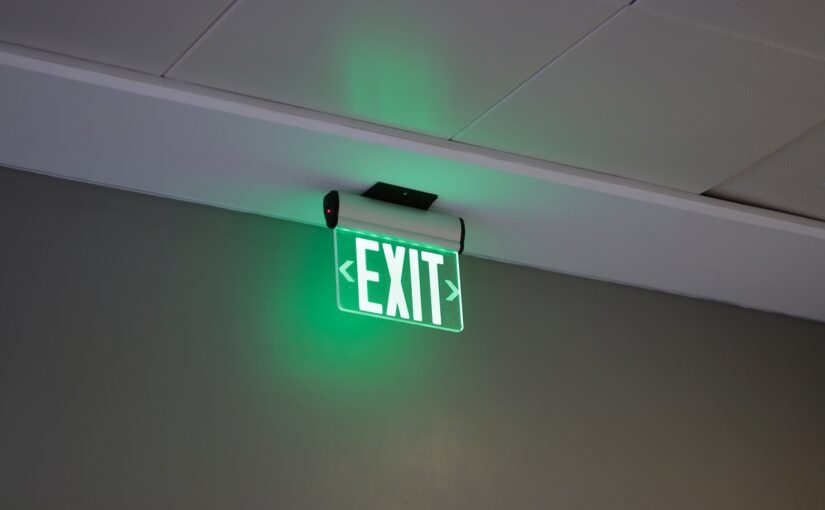
One of the simplest yet most critical safety tools is the emergency exit sign. It is more than a glowing fixture; it provides a clear guide when seconds count. A low-cost property should never mean second-rate safety.
From proper signage to essential fire equipment, getting the basics right is non-negotiable. Here is what every budget-conscious property owner needs to know to remain compliant and keep people safe.
Legal Requirements for Emergency Preparedness
If you own or manage a small property in the EU, even one valued at under €20,000, you cannot ignore basic fire safety laws. EU Directive 92/58/EEC sets out minimum standards for safety and health signs at work, which include the requirement for a clearly visible emergency exit sign with standard pictograms.
These signs must display a running figure, a door, and arrows on a green background with white graphics so that everyone can quickly recognise escape routes.
However, signage is only part of the requirement. Buildings must have safe, unobstructed escape routes, exits that open easily, and structures that hold long enough during a fire to allow people to evacuate safely. Emergency lighting and guidance signs must also function during a power failure.
Ignoring these rules can lead to serious consequences. Property owners may face fines, expensive retrofits, or even legal liability if someone is injured. In some EU nations, local fire authorities or courts may impose penalties ranging from official warnings to significant fines or closure orders. While exact penalties vary by country, the message is clear: even low-value properties must meet safety standards or face the costs of non-compliance.
Choosing the Right Emergency Exit Sign on a Budget
For properties under €20,000, choosing the right exit sign requires balancing cost, safety, and maintenance. There are three main types: LED (electric with battery backup), photoluminescent (glow-in-the-dark with no wiring needed), and self-luminous or tritium signs.
For smaller homes or budget rentals, photoluminescent signs are often the most practical choice. They offer lower upfront costs, little maintenance, no electricity bills, and simple installation. LED signs are a reliable option where wiring is already in place, with battery-backed models providing extra security during power outages. Tritium signs are effective in all conditions but are more expensive and require regulated disposal.
To keep installation affordable, mount signs high for visibility, use surface mounts instead of recessed options to reduce labour, and select standard sizes and styles so that replacements are cost-effective. Always ensure signs meet EU or local safety standards before purchasing.
Other Essential Safety Equipment for Low-Cost Properties
Even with a tight budget, certain safety equipment is essential. Fire extinguishers, smoke detectors, and carbon monoxide alarms should be priorities. A 6 kg powder fire extinguisher (ABC class) is often sufficient for a small property and typically costs between €70 and €120 in European online shops.
Smoke detectors with a five- to ten-year battery life can start from around €15 to €30, depending on features such as magnetic mounts or combined CO detection. Self-installation is another way to reduce costs. Adhesive or magnetic mounts allow detectors to be fitted without hiring electricians.
Smoke alarms should be installed on ceilings or high on walls, particularly in hallways and near sleeping areas. Carbon monoxide alarms should be installed about 1 to 1.5 metres from the floor and positioned away from fuel-burning appliances. To ensure compliance, all devices should carry EU certification such as EN3 for extinguishers or EN14604 for smoke detectors.
Creating a Basic Safety Plan for Small Properties
A safety plan for a small property does not need to be complex. What matters is clarity and regular practice. Start by drawing a simple evacuation plan that shows the layout, marks every exit and stairway, and identifies a safe assembly point. Display this plan in visible places such as hallways or near main entrances.
Next, make sure exits and escape routes are clearly labelled with compliant signs that follow EU rules, such as ISO 7010 or Directive 92/58/EEC. Signs must remain visible and free from obstructions.
Finally, educate occupants on what to do in an emergency. Quick drills, basic explanations of the evacuation plan, and guidance on the use of extinguishers and alarms all help people respond effectively. Familiarity with procedures reduces panic and confusion, improving safety for everyone involved.
Maintaining Compliance Without Breaking the Bank
Keeping a small property compliant and safe does not have to be costly. Annual safety checks and risk assessments are essential and often inexpensive compared to the costs of non-compliance. For smaller properties, an annual assessment might cost only a few hundred euros, far less than emergency repairs or penalties later.
Low-cost maintenance practices also extend safety equipment life. Replace smoke and carbon monoxide alarm batteries before they fail, clean detectors regularly, and check that extinguishers remain accessible. Visual inspections are inexpensive but provide reassurance that everything is in order. Replacing a damaged component, such as a battery or detector unit, is far more cost-effective than replacing the entire device. In some markets, annual extinguisher inspections can cost as little as US $15 to $30.
It is also worth exploring local programs or subsidies. Many EU municipalities provide grants or rebates for safety improvements, including alarms, fire-proofing, and signage. These programs can significantly reduce expenses for owners of budget properties.
With consistent inspections, small repairs, and use of subsidies where available, property owners can maintain compliance, avoid fines, and protect their tenants without overspending.
Safety First, No Matter the Budget
Safety is never a luxury; it is essential. Even for properties under €20,000, installing the right emergency exit sign, adding alarms, and performing simple checks can make a life-saving difference. Stay compliant, remain prepared, and protect what matters most.