Future-proofing a home means preparing it for changing needs without sacrificing style or value. Today’s buyers are thinking long term. They want spaces that remain functional as lifestyles evolve, whether that means accommodating aging parents, supporting mobility needs, or simply reducing everyday hazards. Accessibility is no longer viewed as a niche upgrade. It has become a practical and forward-thinking investment in real estate.
In places like Portland, where a growing population is choosing to age in place, homes with thoughtful modifications are gaining attention. Buyers are actively seeking properties that offer both comfort and flexibility. Features that once felt specialized now signal smart planning. When done right, these upgrades can make a home more appealing, more usable, and ultimately more valuable in a competitive market.
Bathroom Upgrades That Combine Safety with Modern Appeal
Bathrooms are often the first place homeowners focus on when improving accessibility, and the reason is simple. They contain some of the most common safety risks in any home. Slippery floors, tight layouts, and high-step tubs can quickly turn routine tasks into daily challenges. By replacing outdated fixtures with walk-in showers, adding grab bars, and improving the overall layout, you can make the space safer and easier to use. At the same time, these updates align well with modern design trends that favor open, clean, and functional spaces.
While smaller updates can be done without much help, larger renovations require careful planning and skilled execution, making working with a professional important. Bath Center is an experienced bathroom remodeling company that focuses on combining safety features with high-quality design. If you are looking for services like bathroom remodeling, Bath Center of Portland ensures that features such as curbless showers or walk-in tubs are installed correctly and are visually appealing.
The ROI of Universal Design: Why Accessibility Sells
Universal design focuses on creating spaces that work for everyone, regardless of age or ability. It avoids the need for future renovations by incorporating flexibility from the start. Features like wider doorways, open layouts, and easy-to-use fixtures appeal to a broad range of buyers. This kind of design does not stand out as “specialized.” Instead, it feels intuitive and comfortable.
From a real estate perspective, this translates into measurable returns. Homes with universal design elements often attract more interest and spend less time on the market. Buyers recognize the long-term value and are often willing to pay a premium for it. By investing in accessibility early, homeowners position their property as both practical and desirable.
Entryway & Threshold Solutions for Seamless Access
The entryway sets the tone for the entire home. If access is difficult at the front door, it can immediately limit who feels comfortable entering. Simple changes like eliminating steps, installing ramps, or widening door frames can make a noticeable difference.
Modern solutions also integrate convenience and security. Keyless entry systems, well-lit pathways, and covered entrances add both function and style. Buyers appreciate homes that feel easy to navigate from the moment they arrive. A seamless entryway not only improves daily living but also creates a strong first impression that supports overall property value.
Kitchen Adjustments That Enhance Functionality
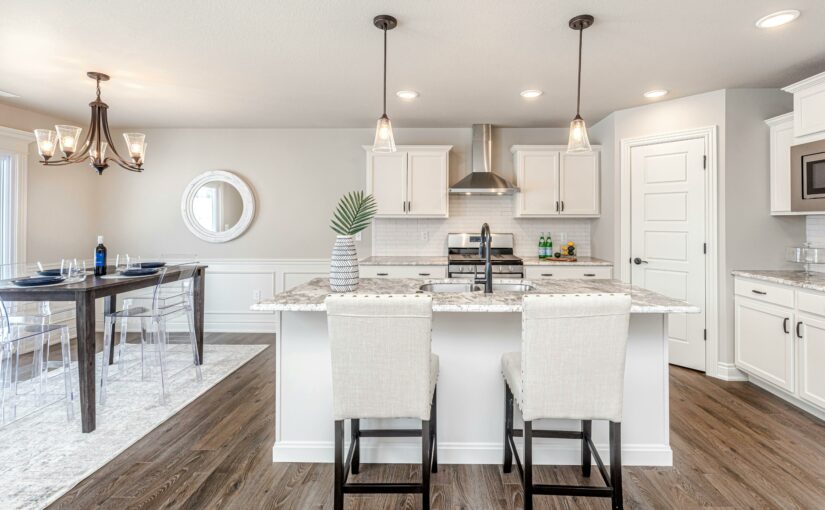
Kitchens should work for everyone using them, not just those with full mobility. Lowered countertops and multi-height work surfaces make everyday tasks easier without changing the overall look of the space. Pull-out shelves and deep drawers reduce the need to bend or reach, which improves both comfort and safety.
Modern buyers notice thoughtful kitchen layouts. Features like touchless faucets and strategically placed appliances add convenience while maintaining a clean design. A kitchen that balances accessibility with style appeals to a wider audience. It signals that the home has been designed with long-term living in mind, which can influence buying decisions.
Flooring & Lighting: Reducing Risks While Elevating Design
Flooring plays a major role in how safe and comfortable a home feels. Slip-resistant materials, such as textured tile or high-quality vinyl, reduce the risk of falls, especially in high-traffic areas. Consistent flooring throughout the home also helps with smoother movement, particularly for those using mobility aids.
Lighting is just as important. Well-placed lighting eliminates shadows and improves visibility in key areas, such as hallways and staircases. Smart LED systems and motion sensors add convenience while keeping energy use efficient. Together, flooring and lighting upgrades create a home that feels brighter, safer, and more inviting to potential buyers.
Navigation Upgrades: Stairlifts and Residential Elevators
Multi-level homes can present challenges, but navigation upgrades offer practical solutions. Stairlifts provide a straightforward way to maintain access between floors without major renovations. For larger properties, residential elevators are becoming more common and are designed to blend into the home’s layout.
Buyers increasingly see these additions as valuable rather than excessive. Modern systems are compact and visually discreet, which helps maintain the home’s overall aesthetic. For those planning ahead, these upgrades can make a property stand out in the market. They also expand the range of buyers who can comfortably consider the home.
A Checklist for Appraisals: Documenting Value-Boosting Modifications
Making upgrades is only part of the process. Proper documentation ensures those improvements are recognized during appraisal. Keeping records of permits, contractor details, and material quality helps establish credibility. Appraisers rely on clear information to assess how modifications contribute to overall property value.
It also helps to present these changes as lifestyle enhancements. When accessibility features are framed as convenient and forward-thinking, they appeal to a broader audience. This approach can influence both appraisals and buyer perception. A well-documented home tells a stronger story and supports a higher asking price.
Balancing Comfort and Long-Term Value
Accessibility upgrades improve how a home functions every day while strengthening its position in the real estate market. From kitchens to entryways, each modification adds a layer of usability that buyers increasingly expect. When these features are designed with care, they enhance both comfort and visual appeal.
Homes that prioritize accessibility are easier to live in and easier to sell. They attract a wider range of buyers and reflect thoughtful planning. Investing in these changes today creates a more adaptable space while supporting stronger resale potential in the future.