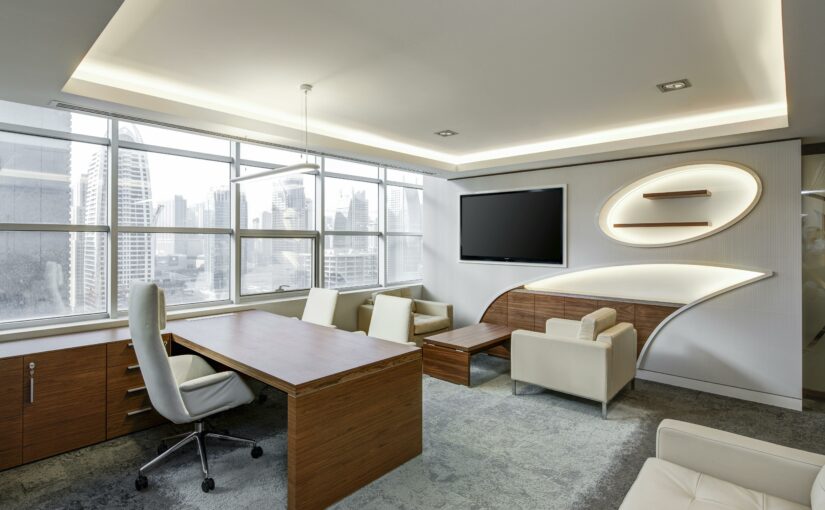
The design of an office is more than a matter of aesthetics—it’s a reflection of how a company operates, communicates, and grows. In today’s fast-paced business environment, collaboration and workflow are essential to success. Yet, many organizations overlook the role that business furniture west palm beach layout plays in shaping these dynamics. The arrangement of desks, meeting areas, and communal spaces can either foster seamless interaction or create barriers to productivity. By rethinking office furniture layouts, companies can unlock new levels of efficiency and teamwork.
Understanding the Relationship Between Space and Behavior
The way people move through a space influences how they interact with one another. In a traditional office, rows of cubicles and closed-door offices often create silos, limiting spontaneous conversation and cross-functional collaboration. While these layouts may offer privacy, they can also hinder the free flow of ideas. On the other hand, open-plan offices encourage visibility and accessibility but can sometimes lead to distractions and noise.
Striking the right balance requires an understanding of how different teams work. Creative departments may thrive in open, flexible environments where brainstorming happens organically. Analytical teams might need quieter zones for focused tasks. The key is to design a layout that supports both collaboration and concentration, allowing employees to choose the setting that best suits their needs at any given moment.
Zoning for Purposeful Interaction
One effective strategy for improving workflow is to create distinct zones within the office. These zones can be tailored to specific activities, such as focused work, group meetings, casual conversations, and relaxation. By clearly defining these areas, companies can guide behavior and reduce friction. For example, placing collaborative furniture—such as round tables, whiteboards, and modular seating—in central locations encourages team members to gather and share ideas. Meanwhile, positioning individual desks near windows or quieter corners supports deep work and personal productivity.
The transition between zones should be smooth and intuitive. Pathways should be wide enough to accommodate movement without disruption, and visual cues like lighting, flooring, or color can help delineate spaces. When employees understand the purpose of each area, they are more likely to use it effectively, leading to better communication and workflow.
Flexibility as a Design Principle
Modern work is dynamic, and office layouts should reflect that. Fixed furniture arrangements can quickly become outdated as teams grow, projects shift, and priorities evolve. Incorporating flexibility into the design allows companies to adapt without costly renovations. Mobile desks, reconfigurable partitions, and lightweight seating make it easy to rearrange spaces based on current needs.
Flexibility also empowers employees to take ownership of their environment. When individuals can adjust their workstations or move to different zones, they feel more in control and engaged. This autonomy fosters a sense of trust and respect, which in turn enhances collaboration. A layout that accommodates change is not just practical—it’s a signal that the organization values innovation and responsiveness.
Encouraging Informal Collaboration
Not all collaboration happens in scheduled meetings. Some of the most valuable exchanges occur spontaneously—in hallways, lounges, or over coffee. Designing for these informal moments can have a profound impact on workflow. Comfortable seating areas, standing tables, and communal nooks invite casual conversation and quick problem-solving.
These spaces should be strategically placed to maximize visibility and accessibility. Near entrances, break rooms, or high-traffic corridors, they become natural gathering points. The furniture should be inviting but not overly plush, striking a balance between comfort and functionality. When employees feel welcome to pause and connect, collaboration becomes a natural part of the workday.
Integrating Technology Seamlessly
Technology is an integral part of modern collaboration, and furniture layouts must support it. Meeting areas should include integrated screens, power outlets, and connectivity options. Desks should accommodate multiple devices, with cable management systems that reduce clutter. Acoustic panels and soundproof booths can enhance virtual meetings by minimizing background noise.
The goal is to make technology feel like a seamless extension of the workspace. When employees can easily access tools and communicate without technical barriers, workflow improves. Furniture should not only support physical comfort but also digital efficiency. A well-designed layout anticipates these needs and incorporates them from the outset.
Reflecting Culture Through Design
Office furniture layout is also a powerful expression of company culture. A collaborative layout signals openness, transparency, and teamwork. A more segmented design may reflect a focus on individual performance and privacy. By aligning the physical space with organizational values, companies reinforce their identity and create a sense of belonging.
This alignment can influence recruitment, retention, and morale. Prospective employees often form impressions based on the office environment. A layout that feels thoughtful and intentional suggests that the company cares about its people and their experience. Existing employees are more likely to feel proud of their workspace, which enhances engagement and loyalty.
Conclusion: Designing for Connection and Flow
Improving collaboration and workflow through office furniture layout is both an art and a science. It requires a deep understanding of how people work, communicate, and move through space. By creating zones for different activities, embracing flexibility, encouraging informal interaction, integrating technology, and reflecting culture, companies can design environments that support their teams in meaningful ways.
The right layout doesn’t just make an office look good—it makes it work better. It turns furniture into a tool for connection, creativity, and progress. In a world where collaboration is key to innovation, thoughtful design becomes a strategic advantage. When space is designed with purpose, workflow becomes effortless, and collaboration thrives. Discover innovative workspace solutions tailored to your business needs at corporateofficeint.com —where design meets functionality.