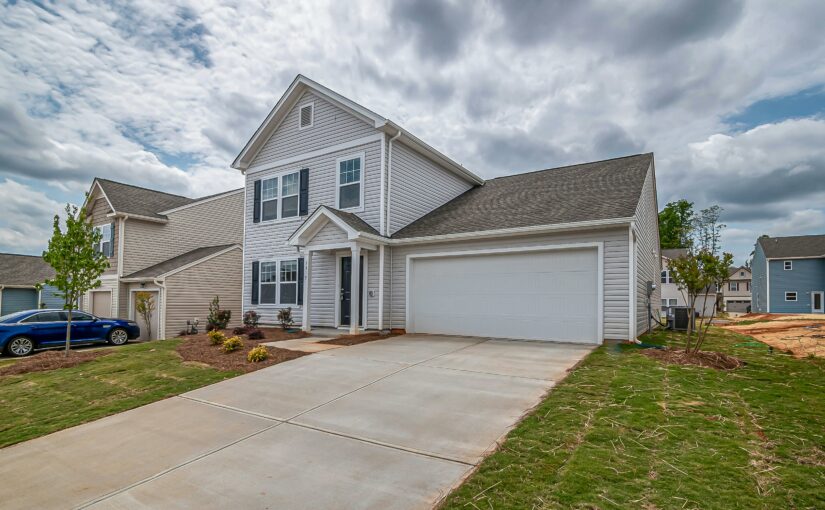
Not every great property deal comes with a “wow” factor. Some of the best bargains appear plain at first glance, but with the right renovations, they can become pure gold. Buying on a budget doesn’t mean settling—it means knowing where to look and what to look for.
If you’re patient, flexible, and a little creative, you’ll be surprised at what you can find. Hidden gems are out there. They can be quiet homes, overlooked listings, or places with untapped potential. In this post, we’ll walk through how to spot those golden bargains and make smart moves without stretching your wallet.
Don’t Overlook the Extras: Why Farm Sheds and Outbuildings Add Value
When browsing budget properties, it’s easy to focus only on the house. But don’t overlook the extras. Outbuildings such as sheds, barns, and workshops can add real value—especially if you’re considering a long-term investment.
Properties with outbuildings, including farm sheds, can offer surprising benefits, even if the listing barely mentions them.
Solid farm sheds can serve more than just storage. They could become a personal workshop, guest studio, or even a small rental with a few smart upgrades. These structures are often overlooked in listings, but they can be hidden assets waiting for a little vision.
If you’re visiting a property with a shed or barn, take a closer look. Check for signs of rot, rust, or water damage. Inspect if the walls are structurally sound, and see if there’s access to power or plumbing. If these basics are covered, even if the building needs work, the potential might be worth it—especially if the property is priced low.
Focus on Location Potential, Not Just Appearance
Good deals often hide in plain sight, particularly in growing rural areas. Older homes in these regions may seem dated, but reviewing development trends can reveal real potential.
For example, small towns often come with lower acquisition and maintenance costs, less buyer competition, and high long-term upside, all thanks to remote work shifts and increased demand for regional living.
Start by digging into local government development plans and infrastructure budgets. Tools like GIS maps (from Esri or ArcGIS) can help identify upcoming transit links or commercial projects.
Also, take the time to drive around your target areas. Look for vacant properties, listings sitting on the market a bit too long, or early signs of gentrification. These are all valuable indicators.
Pair this local knowledge with filters on property platforms to find listings priced below the median or those with long market times.
Learn to Decode Listing Language
Real estate listings are full of coded language, and learning to read between the lines can help you spot a bargain or avoid a money trap.
- “Needs work” typically means more than just a paint job. It often signals that systems like roofing or plumbing may be near the end of their lifespan.
- “As‑is” means the seller won’t be making repairs, and you’ll inherit any issues, visible or not. This can lead to costly surprises later.
- “Ideal for renovation”, “fixer-upper”, or “handyman special” suggest the property needs serious attention, but they can offer great value if you’re willing to invest the time and effort.
Red Flags:
- Vague phrases like “cozy” or “charming” often mask cramped or outdated spaces.
- Flashy photos with little description may be trying to hide something.
Hidden Value:
- Terms like “good bones”, “great potential”, or “hidden gem” suggest the structure is sound and just needs cosmetic updates.
Match listing language to your goals. Want a simple flip? Look for “fixer-upper”. Prefer something move-in ready? Steer clear of “as-is” homes.
Check for Structural Soundness First
When house hunting on a budget, focus on the essentials: roof, foundation, and plumbing. These are the skeleton of the home. If they’re compromised, no amount of fresh paint will fix the problems.
A sagging roof or visible foundation cracks can mean expensive repairs—fixing structural foundations can run into the thousands. Plumbing issues such as leaky pipes or outdated systems may seem minor but can lead to mould or major water damage if left unchecked.
On the other hand, cosmetic flaws like peeling wallpaper, dated fittings, or worn carpets shouldn’t be deal-breakers. These are low-cost fixes that can be addressed after closing.
Quick tips for budget buyers:
- Check past property photos or reports for signs of roof or foundation damage.
- Bring along a trusted inspector or builder, especially when cracks or signs of decay are visible.
- Always prioritise structure over style—cosmetic upgrades are easy; major repairs are not.
Talk to Locals and Use Niche Websites
Looking for hidden property deals? Start with people and explore where niche listings live online.
Local knowledge can be invaluable. Chat with neighbours, browse noticeboards at local cafes, or drop by council offices. Word-of-mouth can lead you to properties before they even reach the big-name portals.
Pair this with niche property sites that specialise in off-market or budget-friendly listings. Some even let you browse ultra-cheap properties worldwide and set alerts—so you don’t miss out on that cheaper fixer-upper.
Use filters to narrow by region, property type, or condition, and set alerts so you’re notified as soon as a match hits the market. This puts you ahead of traditional buyers and closer to a great deal.
By combining personal connections with tech, you position yourself to spot the smartest buys before the crowd does.
The Best Deals Go to the Smartest Searchers
Finding a hidden gem isn’t about luck. It’s about knowing where to look, asking the right questions, and understanding what really matters. A property may look run down but there could still be value in it—you just need to recognise it.