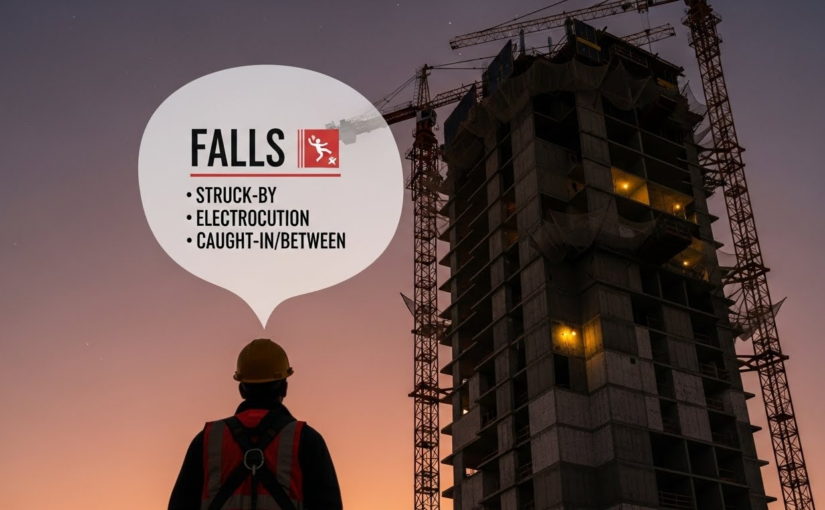
The construction industry is one of those sectors that is most important globally. The most surprising truth is that this is one of the most hazardous sectors. Each year, thousands of workers are seriously injured, as many others lose their lives because of this profession. The most important question arising here is what the major killer is in this sector.
What the answer to the question is, and why it’s true, is well established—that is, falls in height are the leading cause of death in the construction industry globally. The reasons why a fall, in particular, proves to be deadly, as well as its mechanisms, play a vital role in trying to reduce the high mortality rates on construction sites.
Falls from Height: The Leading Cause of Construction Deaths
The largest percentage of construction-related fatalities annually always occurs due to falls. These fall usually happen from roofs, scaffoldings, ladders, and uncompleted flooring. A fall from a fairly short height sometimes causes head injuries or internal damage leading to deaths.
Typical situations involving falls include:
– Falling from scaffolds that lack guardrails or which are not properly erected.
– Slipping on roofs that are being installed or repaired
– Ladder failures caused by incorrect placement or overloading
– Unprotected edges on multi-story structures
Falls are particularly hazardous because they frequently occur unexpectedly, allowing no time whatever for workers to protect themselves.
Why Falls Are So Deadly in Construction
There are several reasons why falls are so deadly within the context of the construction industry:
Working at Elevated Heights
Typically, construction work occurs several meters high, thus heightening the consequences of a fall if it happens.
Inadequate Fall Protection
The lack of guardrail, insecure scaffolding, and the absence of personal fall protection systems create serious hazards.
Poor Safety Compliance
Hurried schedules, insufficient training, or not adhering to safety guidelines can be the cause of fall accidents.
Environmental Conditions
The presence of wet surfaces, high wind, insufficient lighting, and irregular platforms makes balance harder to sustain, particularly at heights.
Other Major Killers in Construction
Falls account for the largest number. Other hazards contribute substantially to the number of construction fatalities. These can be collectively termed as the “Fatal Four.“
Struck-by Incidents
Employees are also at risk of injury from falling tools, moving equipment, and vehicles within the workplace. Cranes, forklifts, and heavy machinery pose genuine hazards.
Caught-in or Between Hazards
Such problems occur when a person is pressed between objects, machines, and structures that collapse such as trenches and walls.
Electrocution
Electricity can cause lethal shock or burning from contacting live wires, low-quality equipment, or improper grounding.
Though such dangers can be lethal, falls are still considered the major cause of death for construction workers.
Who Is Most at Risk?
Certain construction roles face higher risks, including:
- Roofers and steelworkers
- Scaffold installers
- Electricians working at height
- Laborers on multi-level projects
Newly hired employees are even more vulnerable since they lack experience and awareness.
How Falls Can Be Prevented
To bring an end to the fall-related deaths, the solution involves careful planning, training, and enforcement.
Use Proper Fall Protection Systems
- Guardrails on platforms and edges
- Safety nets below elevated work areas
- Personal fall arrest systems (harnesses and lifelines)
Ensure Safe Access Equipment
Ladders and scaffolds require periodic checks, correct installation, and correct use according to safety rules.
Provide Ongoing Safety Training
Employees can benefit from training that is provided to them from time to time regarding fall hazards, equipment handling, and handling emergencies.
Improve Site Management
Enhance Site Management There must be clear signs, organized working areas, adequate lighting, and weather checks to minimize fall risks.
The Role of Employers and Contractors
Employers are legally and ethically responsible for maintaining safe worksites. This includes:
- Conducting risk assessments
- Providing protective equipment
- Enforcing safety rules
- Supervising high-risk tasks
Effective safety culture translates into saving many lives and minimizing project costs.
Conclusion
The primary cause of death on construction sites is not equipment, electricity, or heavy materials but falls from heights. Fall-related accidents can be dramatic, devastating, and deadly, but they can also be easily mitigated by placing more emphasis on the safety measures that need to be implemented on the construction sites.
Safety is not a choice on a construction site. Each and every guard rail erected, safety harness donned, and safety procedure followed brings the construction worker one step closer to going home at the end of every day.