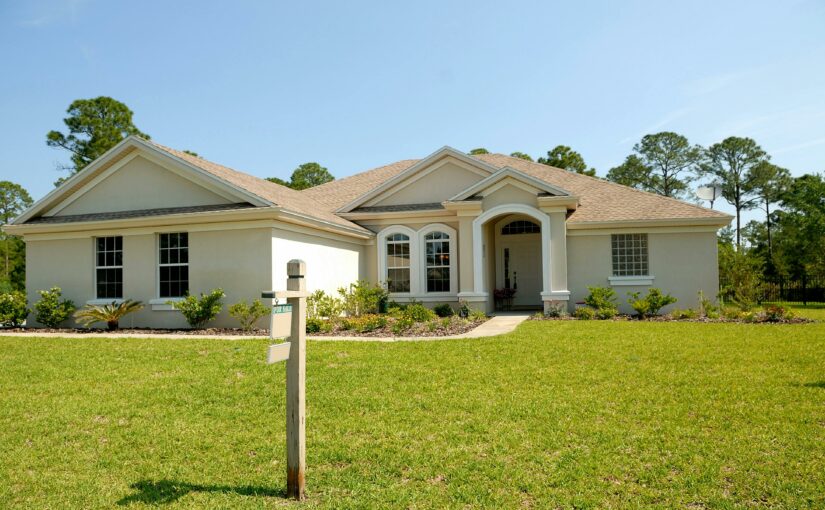
Affordable Ways to Make Older Homes More Energy-Efficient

Older homes have plenty of charm, but they are not always the most energy-efficient. Drafty windows, thin insulation and outdated systems can quietly drain your budget each month. The good news is that you do not need a large renovation fund to improve performance.

Small and affordable upgrades can make a meaningful difference. They can cut energy bills, increase comfort and add value to your home.

Below, you will find simple and budget-friendly steps that genuinely work. These ideas are suitable for first-time buyers, renovators on a tighter budget, or anyone looking to maximise the potential of an older property. The aim is to offer practical guidance that leads to real savings without unnecessary complexity.

Older homes often respond well to modest improvements because many of their inefficiencies come from areas that are relatively easy to access. This means you can focus on targeted upgrades rather than expensive structural work.

Using a Personal Loan to Fund Small Energy Upgrades

Using a personal loan to improve your home’s energy efficiency can be a practical choice, especially if your property needs quick and affordable upgrades. A loan can make sense when the improvements offer immediate savings on energy bills. Better insulation, improved sealing around windows or a more efficient heating system are examples of upgrades that often repay their cost over time.

Start by choosing projects that offer strong results at a reasonable cost. Adding attic insulation, sealing drafts, installing window film or upgrading an old heater can make your home feel warmer while reducing energy expenses. If your bank offers a green personal loan, even better. This type of loan is designed for environmentally friendly improvements and may offer a lower rate.

Before borrowing, set a clear budget. Gather a few quotes, compare interest rates and borrow only what you truly need. Overborrowing can turn a simple upgrade into unnecessary debt.

The biggest advantage of using a personal loan is fast access to funds. It allows you to carry out improvements without waiting, which means you can enjoy lower bills sooner. With a bit of planning, you can make your older home more energy-efficient quickly and affordably, all while considering long-term savings.

If you are unsure which upgrades qualify for financing, many lenders provide short checklists that explain eligible improvements. These can guide you towards the projects that deliver the best return on investment.

Seal First: Fix Drafts and Air Leaks

For a quick win and a more efficient home, start by sealing drafts and air leaks. This improvement offers high impact at a low cost. Even small gaps under doors, around windows, near chimneys or along floorboards can allow heat to escape and let in cold air or humidity. This leads to higher energy bills.

Focus on common trouble spots such as windows, doors and areas where different building materials meet. A simple strip of weather stripping around a door or a bead of caulk around a window frame can seal those leaks and make your home feel more comfortable almost instantly.

It is also a very achievable DIY task. You can gather weather stripping, caulk and draft stoppers and spend a weekend patching problem areas. Your energy bills and your comfort will benefit immediately.

It may also be helpful to use a handheld draft detector or even a lit incense stick to locate smaller leaks. These tools highlight airflow patterns and help you identify areas that you might otherwise overlook.

Improve Insulation Without Major Renovations

Improving insulation does not always require tearing down walls. Many older homes experience noticeable improvements when insulation is added to attics, crawl spaces, or accessible wall cavities. These areas can often be upgraded with minimal disruption.

Affordable materials like fibreglass batts or rigid foam boards are easy to handle and can often be installed without professional assistance. Using these materials helps regulate indoor temperatures and keeps energy use manageable.

Once the main hidden spaces are insulated, your home stays warmer in winter and cooler in summer. This reduces the strain on your heating and cooling systems, helping to lower your bills. Good insulation also reduces drafts and maintains more consistent temperatures throughout the year.

Consider checking moisture levels before adding insulation in older homes to ensure a proper installation. Addressing damp spots early ensures the new material performs well and avoids issues later.

Upgrade Heating and Cooling Efficiency

Improving the efficiency of your home’s heating and cooling does not always require replacing the entire system. Begin with a basic service. A yearly check can improve performance, reduce energy use and extend the life of older units.

A smart thermostat is another simple upgrade. It learns your daily routine, reduces energy use when you are away and cuts wastage without needing constant attention.

If a full replacement is not within your current budget, there are still low-cost ways to improve comfort. Ceiling fans can help circulate air, making rooms feel cooler, which reduces the need for air conditioning. Portable heat pump units can also support older systems and improve efficiency without major installation work.

Consider zoning your home by heating or cooling only the rooms you use most. This method reduces overall demand and provides comfort where it is needed most.

Boost Window Efficiency on a Budget

Old windows can contribute significantly to heat loss, but you do not necessarily need to replace them. Several affordable options can improve performance.

Thermal curtains are a good start. They help retain heat in winter and block harsh sunlight in summer. They are simple to install and offer immediate savings.

Window films are another low-cost option. These thin films adhere to the glass, reducing drafts and heat transfer. External shading or awnings can help too. A small awning over a sunny window reduces cooling needs by blocking sunlight before it reaches the glass.

If you want something more robust, secondary glazing provides an additional layer inside the frame. This improves insulation at a fraction of the cost of replacement windows.

When improving window efficiency, also check the condition of the surrounding frames. Older timber frames may need resealing, and small repairs can significantly enhance their thermal performance.

Small Steps, Big Energy Savings

Older homes do not require major renovations to become more energy efficient. Thoughtful and affordable upgrades can deliver significant improvements. By sealing drafts, improving insulation, enhancing heating and cooling systems and upgrading window efficiency, you can create a more comfortable home that saves money every month. With the right plan, better energy performance is within reach.

Relocate Effortlessly with a Fast Palmer Home Sale Offer for Cash

You’ve finally decided it’s time to move, but the house feels like an anchor while boxes stack up around you.

Instead of juggling showings, financing contingencies, and late-night cleaning frenzies, you’re curious about how a no-nonsense cash offer might shorten the to-do list.

To see what an example looks like—numbers, timeline, and none of the fluff—you can browse for a fast offer in Palmer and judge whether it fits your plans.

Sell Fast As-Is

Packing boxes is stressful enough; haggling over repairs shouldn’t be on your to-do list. A direct as-is cash offer removes delays and lets relocation planning start now.

What “as-is” really means

Buyers like Naples Home Buyers take the property exactly the way it sits—peeling paint, leaky roof, outdated paneling, and even the old swing set nobody uses anymore.

Timeline under your control

Once the cash figure looks right, the closing date becomes a conversation, not a command. Pick ten days or ten weeks, whichever best aligns with the movers.

Freedom from financing chaos

A lender never enters the picture, so appraisals and underwriting vanish. That eliminates the last-minute loan denial that can wreck a conventional deal.

Instant Cash For Homes

An urgent job transfer or looming divorce decree leaves little patience for open houses. Cash investors understand crises and can wire funds almost as soon as the ink dries.

  • Immediate liquidity: Cash deposits hit your account days, not months, after accepting the offer, giving breathing room for first-month rent, deposits, or moving vans.
  • Certainty of execution: With no bank contingencies, offers rarely collapse, sparing you the emotional roller coaster of falling out of escrow twice.
  • Simplified paperwork: A two-page purchase agreement often replaces the thirty-page stack demanded by traditional buyers and their lenders.
  • Flexible possession: Post-closing rent-backs allow extra time to finish packing without paying a second mortgage or hotel bill.

Fast cash doesn’t have to feel predatory; reputable buyers provide written terms and encourage attorney review so confidence replaces fear.

Streamlined Closing Timeline

A quick sale is only helpful when closing follows suit. Clear steps and proactive communication compress the calendar from accepted offer to key hand-off.

Pre-closing game plan

Create a simple checklist—title search ordered day one, municipal lien letter day two, closing attorney engaged immediately—to keep every stakeholder on the clock.

Remove finance friction

Cashing out means no lender, yet liens and HOA dues still matter. Verify payoff figures early to avoid a last-second scramble for missing numbers.

Leverage digital signatures

Electronic notarization shaves days of FedEx time. Most investors happily accommodate e-closings, making relocation feasible even when you’re already on the road.

Simple Steps To Sell

Even with a cash buyer, the organization keeps stress low. Break the process into bite-size tasks and momentum builds naturally until the final signature.

  • Gather essential docs: Locate deed, mortgage statement, recent tax bill, and HOA contact list before the first buyer phone call to prevent mid-deal hunting.
  • Snap honest photos: Smartphone images of every room help investors price accurately, avoiding the surprise reduction after walk-through.
  • Schedule a five-minute call: Verbal overview of property history answers more questions than twenty emails and sets realistic expectations on both sides.
  • Request proof of funds: An emailed bank statement or certified letter confirms the buyer can truly close when promised.

Handle those four mini-chores this evening and tomorrow the offer process will feel far less intimidating.

Advantages Of Cash Deals

Beyond speed, accepting cash delivers financial and emotional perks homeowners often overlook while focusing solely on closing dates.

No appraisal gap risk

When lenders insist on appraisal, low valuations force painful price cuts. A cash buyer bases numbers on market knowledge, not mortgage guidelines.

Fewer concessions

Traditional purchasers request closing-cost credits, home warranties, and inspection repairs. Cash investors typically waive those extras, boosting net proceeds.

Privacy and discretion

Skip the sign in the yard and endless showings. Neighbors won’t parade through the living room inspecting family photos or medicine cabinets.

No Repairs, No Fees

Contractors are booked for months and material prices keep climbing. Offloading the property exactly as it sits avoids draining savings on last-ditch upgrades.

  • Forget the punch list: Buyers assume responsibility for cracked tiles, failing furnaces, and overgrown shrubs, saving thousands in pre-sale outlays.
  • Zero commission: Direct transactions eliminate six-percent agent fees, instantly adding thousands to your moving fund.
  • No closing costs surprise: Many investors cover title, recording, and transfer tax so the check in hand equals the offer price.
  • Avoid holding costs: Insurance, utilities, and property taxes stop the moment papers record, protecting against double payments while transitioning.

A property that once felt like a money pit transforms into fast cash, proving that selling can generate relief instead of new bills.

Beware Lowball Scams

Not all postcards promising “top dollar” deserve your callback. Shield equity by vetting investors and spotting red flags before signing anything binding.

Verify local presence

A real company lists an office address, state registration, and a website with closing testimonials, not just a disposable cellphone number.

Demand transparent pricing

If an offer drops dramatically after inspection without clear justification, walk away. Legitimate buyers account for repairs in the initial figure.

Check online reviews

Websites such as Reddit feature cautionary tales about unsolicited calls; skim threads like the one on homeowners receiving mystery pitches to stay informed.

Use independent counsel

An attorney’s forty-minute review can prevent a forty-thousand-dollar mistake, especially if paperwork seems overly complex or unusually skimpy.

Real Stories From Sellers

Nothing illustrates the process like neighbors who already cashed out and moved on. Their journeys reveal both pitfalls and pleasant surprises.

  • Paula’s project house: Facing $60,000 in repairs, she accepted a fair cash price and chose a three-month closing so she could hunt for a condo leisurely.
  • Nick’s deadline dash: A new job across the country required relocation in four weeks; the investor closed in eighteen days, and the family skipped two mortgage payments.
  • Frances’ heritage home: Decades of upkeep weighed heavy; selling the Charleston landmark freed time to travel while a preservation firm restored its grandeur.
  • Luke’s light touch: Minimal paperwork and responsive communication turned a potentially scary transaction into what he calls “the easiest sale of my life.”

Real-world examples demonstrate that a thoughtfully chosen buyer can solve complex scenarios while honoring the seller’s timeline and dignity.

Smart Downsizing Framework

Relocation often pairs with downsizing; approaching the change strategically converts a stressful shrink into a liberating lifestyle upgrade.

Clarify new lifestyle goals

List must-have amenities—single-level living, walkable community, or extra garage bay for hobbies—so the next purchase aligns with daily routines, not past habits.

Calculate true cost savings

Compare current mortgage, taxes, utilities, and maintenance against projected figures to quantify monthly breathing room created by a smaller footprint.

Edit belongings methodically

Tackle one closet a day, donate duplicates, and digitize paperwork; progress feels tangible without turning the entire house upside down at once.

Time the market wisely

Selling the large home in a spring upswing while buying the downsized place off-season can amplify equity gains and shrink purchase price simultaneously.

Lean on professional help

Guides like Fox Homes’ article on deciding when to downsize outline objective questions that translate vague desires into an actionable checklist.

A swift, transparent cash sale exchanges property worries for relocation freedom. Vet the buyer, know the numbers, and embrace the fresh start waiting beyond Palmer’s town line.

Swift Next Step

Moving is stressful, yet cash buyers let you skip repairs, listings, and delays. Evaluate legitimate offers, verify funds, and compare net proceeds before signing. When timing matters, you can close quickly and redirect your energy toward the new chapter rather than lingering paperwork, or unexpected holding costs along the way.

Affordable Structural Solutions for Long-Lasting Properties

You want a house, warehouse or workshop that stays solid for decades, yet the price tags on reinforcement, footings and drainage can be intimidating.

Before you settle for shortcuts, you might scan case studies, speak with engineers and compare soil reports, looking for straight talk rather than glossy brochures.

Optimizing Building Budgets

Managing limited funds while pursuing excellence starts with strategic planning rather than sacrifices, and that mindset frames the structural solutions explored in this guide.

Plan Meticulously From Day One

Clarify scope early, assemble stakeholders and demand granular estimates; these habits prevent expensive surprises and mirror the advice in many construction’s budgeting checklists.

Embrace Collaborative Value Engineering

Cross-disciplinary design-build teams scrutinize every component’s life cycle, swapping pricey over-specifications for equal-performance materials, lowering costs while strengthening durability and energy performance.

Track Contingencies Relentlessly

Budgets breathe; review market indexes monthly, preserve an owner contingency and authorize only data-backed change orders so savings carved early remain available through commissioning.

Smart Structural Design

Efficient geometry and load paths convert expensive mass into intelligent strength, letting you allocate dollars toward better finishes, equipment and future adaptability instead of oversizing structure.

  • Favor Simplicity: Regular column grids and repetitive spans shrink formwork labor, accelerate schedules and unlock material bulk pricing with minimal design compromise.
  • Leverage Hybrid Systems: Combining post-tensioned slabs with light steel studs reduces concrete volume yet maintains stiffness essential for vibration control in offices and labs.
  • Prioritize Modularity: Standardized beam depths, bolt patterns and service zones make later renovations faster, cheaper and less disruptive to occupants.
  • Design for Services: Routing mechanical and electrical beneath raised access floors prevents costly soffits and maintains ceiling-height elegance.
  • Use Digital Twins: Coordinated models expose clashes before fabrication, avoiding rework and eliminating wasteful on-site improvisation.

For additional plain-language explanations of cost-effective footings, drainage and soil improvement, see the resources at geotechbuilt.com.au.

Thoughtful structural design stretches every construction dollar further and prepares the property for decades of evolving tenant demands without structural surgery.

Resilient Material Picks

Choosing materials through a resilience lens safeguards your investment against floods, seismic shock and wildfires while reducing future insurance premiums and downtime.

Select Location-Tuned Assemblies

Coastal buildings mingle corrosion-resistant rebar and fiber-reinforced concrete, whereas inland wildfire zones lean on non-combustible metal roofs and cementitious siding for survival.

Balance Up-Front and Lifetime Costs

Galvanized steel might cost more initially than dimensional lumber, yet its decades of maintenance savings often outperform cheaper alternatives when full life-cycle accounting prevails.

Reference Emerging Research

The Building Resilience Coalition’s article on material choices underscores how concrete, structural steel and insulated concrete forms outperform traditional framing in challenging Pacific Northwest climates.

Streamlined Maintenance Plans

Construction savings evaporate if maintenance lacks structure; proactive planning locks in performance and avoids expensive emergency repairs that erode operating budgets.

  • Create a Criticality Matrix: Rank assets by safety, environment and revenue impact to allocate maintenance hours effectively and avoid blanket, low-value tasks.
  • Schedule One Week Ahead: Adopting a rolling weekly schedule boosts wrench time, aligning technicians, parts and production windows for minimal disruption.
  • Assign Named Technicians: Accountability grows when every task lists who will execute, limiting deferrals and encouraging craftsmanship pride.
  • Measure Compliance: Eighty-percent schedule adherence signals a healthy program; track reasons for misses and iterate planning accuracy steadily.

Follow these principles and your property’s operational costs stay forecastable, supporting predictable cash flow and sustained asset value.

Enhancing Lifespan Economically

Extending service life yields compounding returns because every extra year delays demolition, replacement emissions and capital expenditure, allowing modest investments today to multiply tomorrow.

Design for Adaptability

Generous floor-to-floor heights, knock-out panel locations and redundant chases enable repurposing spaces without compromising structure, encouraging tenants to renew rather than relocate.

Build in Inspection Access

Integrated catwalks, removable cladding panels and RFID-tagged components make condition monitoring easy, ensuring small issues are corrected before escalating into structural failures. When ageing footings threaten alignment or safety, timely restumping can restore stability without full replacement.

Right-Size From the Start

Industry research shows that reducing gross square footage twenty percent, when combined with longer life expectancy, can slash embodied carbon by roughly two-thirds while saving capital.

Emerging Timber Modules

Mass timber modular enclosures now compete with steel and GRP kiosks, offering rapid installation, verified fire resistance and markedly lower embodied carbon through sequestered CO2.

  • Off-Site Precision: Factory fabrication achieves millimeter accuracy, shrinking on-site labor, noise and weather delays for quicker revenue generation.
  • Superior Insulation: Cross-laminated panels typically record U-values below 1.1, trimming HVAC loads and operating costs year-round.
  • Verified Longevity: Independent testing confirms design lives exceeding twenty-five years, matching traditional enclosures while avoiding corrosion.
  • Fire Tested: Timber modules meet seventy-plus-minute integrity ratings, outperforming comparable GRP structures and satisfying stringent utility requirements.
  • Environmental Credentials: Life-cycle analyses often reveal embodied-carbon reductions above eighty percent, positioning properties for green-financing incentives.

Adopting these timber modules accelerates schedules, lowers emissions and yields resilient enclosures aligned with modern regulatory and investor expectations.

Disaster Resistance Tactics

Designing for disasters transforms unavoidable natural events into manageable maintenance issues, sustaining occupant safety and asset revenue through decades of climate volatility.

Know Your Hazards

Conduct site-specific risk assessments covering wind loads, seismicity, flood plains and wildfire exposure so mitigation measures target real threats rather than hypothetical dangers.

Engineer Redundancy

Dual power feeds, water storage and alternate structural load paths ensure critical operations persist even when single components fail during hurricanes, earthquakes or extended grid outages.

Plan Rapid Recovery

Specify modular external cladding, accessible service zones and stocked replacement parts so crews restore functionality quickly, minimizing downtime costs after extreme events.

Pest and Fire Shields

Thermal envelopes double as defensive shells; selecting smart insulation prevents rodents, insects and flame spread, reducing repair bills and insurance premiums simultaneously.

  • Choose Borate-Treated Insulation: Non-toxic additives repel termites and rodents without compromising indoor air quality, preserving wiring and structural timber.
  • Seal Penetrations Thoroughly: Continuous spray-foam or dense-pack cellulose eliminates gaps larger than a pencil, denying pests their preferred entry points.
  • Prioritize Class A Ratings: Fire-resistant foams and mineral wool delay ignition, providing critical evacuation time while limiting structural damage.
  • Integrate With Moisture Barriers: Dry assemblies discourage mold and insects that thrive in damp, hidden cavities behind walls and ceilings.
  • Inspect Annually: Infrared scans detect insulation gaps or nests early, avoiding expensive remediation and potential code violations.

Implementing these measures fortifies building envelopes against biological, thermal and fire-related threats concurrently.

Comparing Modern Frameworks

Structural frameworks, like software frameworks, evolve; understanding options lets you match material systems with project goals, yielding long-lasting, affordable and maintainable buildings.

Steel Versus Concrete

Steel accelerates erection, supports large bay spacing and enables future modifications, whereas concrete excels in mass, vibration damping and inherent fire resistance without extra coatings.

Mass Timber Joists

Cross-laminated timber offers carbon benefits and biophilic aesthetics, yet requires meticulous detailing around moisture and connectors to achieve comparable durability in exposed conditions.

Composite Hybrid Systems

Blending steel beams with concrete topping slabs marries tensile and compressive strengths, delivering thinner floors, reducing story heights and saving façade and elevator costs.

Modular Light-Gauge Steel

Factory-built volumetric modules leverage light steel’s strength-to-weight ratio, slashing on-site labor and interest carry while maintaining exceptional dimensional consistency across units.

Selecting the Best Fit

Analyze local labor expertise, supply-chain resilience, carbon goals and long-term flexibility to choose a framework that balances immediate savings with enduring performance.

Lasting Value

Disciplined budgeting, clever design and durable materials converge to stretch every construction dollar. Apply these insights and your property will stand strong, efficient and adaptable for many decades to come.