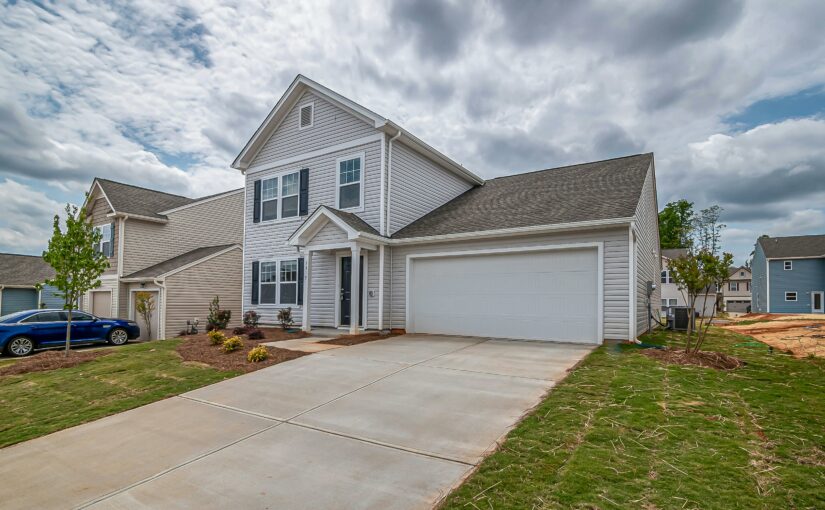
Using Equity Release to Buy a House: Your Complete Guide

Many homeowners over 55 find themselves in a unique position: they own property worth hundreds of thousands of dollars, but lack the liquid cash needed to make major purchases or investments. This is where equity release can provide a powerful solution, especially for those looking to buy additional property.

Equity release allows you to access the wealth tied up in your home without having to sell it. This financial tool has become increasingly popular as property values have risen and retirement planning has evolved. If you’re considering using equity release to buy a house, this guide will walk you through everything you need to know about the process, benefits, and considerations involved.

What is Equity Release?

Equity release is a financial product that allows homeowners aged 55 and over to access some of the value tied up in their property. Instead of selling your home to access its value, equity release lets you borrow against it while continuing to live there.

Types of Equity Release

There are two main types of equity release products available:

Lifetime Mortgages

A lifetime mortgage is the most common form of equity release. You take out a loan secured against your home while retaining ownership. The loan, plus accumulated interest, is typically repaid when you die or move into long-term care. Some lifetime mortgages allow you to make monthly interest payments, while others let the interest roll up over time.

Home Reversion Plans

With a home reversion plan, you sell part or all of your home to a reversion company in exchange for a lump sum or regular payments. You retain the right to live in the property rent-free for life, but you’ll only benefit from any future increase in value on the portion of the home you still own.

How Much Can You Release?

The amount you can release depends on several factors:

  • Your age (older applicants can typically release more)
  • The value of your property
  • Your health and lifestyle
  • Current interest rates
  • The specific lender’s criteria

Generally, you can expect to release between 20% and 60% of your home’s value, with the percentage increasing with age.

How to Use Equity Release to Buy a House

Using equity release to purchase another property is a legitimate strategy that many people employ for various reasons. Here’s how the process typically works:

Step 1: Assess Your Financial Situation

Before proceeding, carefully evaluate your current financial position. Consider:

  • The current value of your home
  • How much equity you might be able to release
  • Your ongoing income and expenses
  • The cost of the property you want to buy
  • Whether you’ll need additional funding beyond the equity release

Step 2: Choose the Right Equity Release Product

Not all equity release products are suitable for property purchases. You’ll likely need a lump sum rather than regular payments, which means a lifetime mortgage or home reversion plan that provides immediate access to funds.

Step 3: Get Professional Advice

Equity release is a complex financial decision that will affect your estate and potentially your entitlement to means-tested benefits. It’s essential to seek advice from aqualified financial advisor who specializes in equity release. They can help you understand the implications and ensure you’re making an informed decision.

Step 4: Apply for Equity Release

Once you’ve chosen a product, you’ll need to:

  • Complete the application process
  • Have your property valued
  • Undergo financial and health assessments
  • Review and sign the legal documents

Step 5: Use the Funds for Your Property Purchase

Once approved, you can use the released equity as a deposit or to buy a property outright, depending on the amount released and the cost of the new property.

Important Considerations

Property Restrictions

Some equity release providers have restrictions on how you can use the funds. Make sure your chosen provider allows property purchases before proceeding.

Tax Implications

Buying additional property may have tax implications, including capital gains tax when you sell. Consult with a tax advisor to understand your obligations.

Ongoing Costs

Remember that owning two properties means double the ongoing costs, including maintenance, insurance, and potentially property taxes.

Benefits of Using Equity Release to Buy a House

Access to Property Investment

Equity release allows you to enter or expand your property portfolio without having to sell your current home. This can be particularly attractive if you believe property values will continue to rise or if you want to generate rental income.

Downsizing Without Moving

If you want to downsize but can’t bear to leave your current home, equity release might allow you to buy a smaller property that you can move to later, while keeping your options open.

Helping Family Members

Many people use equity release to help their children or grandchildren get on the property ladder. You could buy a property for a family member to live in, providing them with housing security while potentially benefiting from property appreciation.

Diversifying Your Assets

If most of your wealth is tied up in your home, using equity release to buy another property can help diversify your assets. This strategy can provide additional security and potentially better returns than keeping all your wealth in one property.

Generating Income

Buying a rental property with equity release funds can provide you with additional income during retirement. This can be particularly valuable if you’re concerned about having enough money to maintain your lifestyle.

Flexibility for the Future

Owning multiple properties gives you more options for the future. You might decide to sell one property to fund care costs, or you might want to move to a different location as your needs change.

No Monthly Repayments

Unlike a traditional mortgage, most equity release products don’t require monthly repayments. This means you can buy additional property without taking on monthly payment obligations that might strain your retirement budget.

Potential Drawbacks to Consider

While there are benefits to using equity release to buy a house, it’s important to understand the potential drawbacks:

Reduced Inheritance

Equity release will reduce the value of your estate, meaning there will be less to pass on to your beneficiaries.

Compound Interest

If you choose a lifetime mortgage where interest rolls up, the amount owed can grow significantly over time due to compound interest.

Property Market Risk

Property values can go down as well as up, so there’s no guarantee that your property investment will be profitable.

Complexity

Managing multiple properties can be complex and time-consuming, especially if you’re renting them out.

Early Repayment Charges

If you need to repay your equity release early, you may face significant charges.

Making the Right Decision

Using equity release to buy a house can be a smart financial move for some people, but it’s not right for everyone. Consider your personal circumstances, financial goals, and risk tolerance carefully.

Key questions to ask yourself include:

  • Do I have experience managing property investments?
  • Am I comfortable with the risks involved?
  • How will this affect my beneficiaries?
  • Are there alternative ways to achieve my goals?
  • Can I afford the ongoing costs of multiple properties?

Taking the Next Step

If you’re considering using equity release to buy a house, the most important step is to seek professional advice. A qualified financial advisor can help you understand your options, assess whether equity release is right for you, and guide you through the process if you decide to proceed.

Remember, equity release is a significant financial decision that will affect your future and your family’s inheritance. Take your time, ask plenty of questions, and make sure you fully understand the implications before moving forward.

The property market offers many opportunities, and equity release can be a valuable tool for accessing them. With careful planning and professional guidance, you can make an informed decision that supports your financial goals and retirement plans.


List of Affordable Beach Towns for Families Near Major Cities in the US

Two things that come up instantly whenever you hear beach towns. These are ‘peaceful’ and ‘expensive’. What if someone tells you, beach towns are not always expensive? Yes, you read it right! 

Even in modern days, raising a family near the beach may sound like a dream. In the US, there are several beach town that still serves as affordable options while compromising the quality of life. 

Whether you’re on the East Coast, West Coast, or Gulf Coast, there’s a place where your family can thrive near the ocean. Stick to the discussion to learn more. 

What Makes a Beach Town “Family-Friendly”

Safety, quality, and affordability are the primary factors that make a town family-friendly. However, beach towns are different. Even after all these, every family has their various needs. 

Key features of a family-friendly beach town:

  • Affordable housing: Beach houses are typically spacious, depending on family needs. However, several beach towns offer great houses. The prices are astonishingly low.
  • Good public schools: Access to quality education is essential for children’s development.
  • Low crime rates: Safety remains one of the top concerns for parents considering relocation.
  • Kid-friendly outdoor options: Parks, family beaches, playgrounds, and walkable neighborhoods help promote an active lifestyle.
  • Access to jobs and commuting options: For job opportunities and healthcare, beach towns should be within proximity to big cities.
Expert Tip: Look for towns that offer seasonal activities throughout the year. These keep kids engaged without expensive travel.

Affordable Beach Towns Near the East Coast’s Major Cities

Boynton Beach, Florida (Near West Palm Beach)

Just a short drive from West Palm Beach, Boynton Beach offers the perfect balance of coastal living and convenience. It’s a welcoming community where you can enjoy Florida’s sunshine without the high price tag.

Truly Affordable Coastal Living: Compared to nearby cities like Boca Raton or West Palm Beach, Boynton Beach provides a more budget-friendly option—without sacrificing lifestyle. From condos to spacious homes, there’s something for every buyer.

Walkable and Family-Friendly: With its compact layout, many neighborhoods are within walking distance of schools, parks, and local beaches—ideal for families seeking a safe, connected environment.

Education and Community: Local schools are known for their dedication to academic performance and smaller class sizes. The area also fosters a strong sense of community with family-oriented events, weekend markets, and clean beaches.

Before making a move, it’s smart to explore all the available Palm Isles homes for sale in Boynton Beach to get a solid understanding of your options in this popular 55+ community.

Expert Tip: Take advantage of local transit options or coastal roadways for a scenic and stress-free commute to surrounding cities.

Milford, Connecticut (Near New Haven/NYC)

Mere words are not enough to describe the inhumane situation in NYC housing. With just a 90-minute train ride, you can enjoy Milford’s ambience at a fraction of the cost.

  • Affordable Waterfront Homes: Compared to NYC suburbs, Milford’s coastal homes are cheap.
  • Excellent Public Amenities: Families enjoy free access to Silver Sands State Park, multiple beaches, and a vibrant town green with weekly summer concerts.
  • Strong Community Schools: Top Milford schools boast a high graduation rate, while several schools rank above the state average.

Milford offers the right balance of beachside relaxation and suburban practicality.

Cape Charles, Virginia (Near Virginia Beach/Norfolk)

Just a 45-minute drive away from the hustling Norfolk metro area, Cape Charles can be the place to be. The lifestyle is quieter with scenic access to the Chesapeake Bay.

  • Small Town Feel, Coastal Access: Cape Charles has a population under 1,500, giving families a slower pace of life.
  • Affordable Real Estate Options: Median home prices range around $390,000, which is significantly lower than those in nearby Virginia Beach.
  • Outdoor Lifestyle: The town includes a public beach, a golf course, and access to kayaking and fishing spots.

Cape Charles has grown in popularity among remote workers and young families due to its charm and affordability.

Expert Tip: Check for seasonal rental income opportunities if you plan to invest in a second property here.

Affordable Beach Towns Near the West Coast’s Major Cities

Oceano, California (Near San Luis Obispo/Los Angeles)

Oceano is a laid-back town on California’s Central Coast, just 15 minutes from San Luis Obispo and about 3 hours from LA. While much of California’s coast is expensive, Oceano still offers affordable housing with beach access. Coastal areas in California are expensive. However, within all these lies Oceano, California’s most affordable beach town.

  • Budget-Friendly for California: Median home prices in Oceano are around $530,000, much lower than LA’s average of $900,000.
  • Outdoor-Focused Lifestyle: From lazy beach days to adventurous buggy rides, Oceano has it all at the Oceano Dunes State Vehicular Recreation Area.
  • Small-Town Community: With under 8,000 residents, it offers a relaxed pace, low crime rate, and neighborhood schools.

Despite being a small town, Oceano is well-connected to the larger San Luis Obispo metro area for jobs, healthcare, and education.

Port Orchard, Washington (Near Seattle)

Port Orchard is a family-friendly coastal town located across Puget Sound from Seattle. Port Orchard is where beauty meets affordability.

  • Reasonable Housing Prices: Homes average around $470,000, offering savings compared to Seattle’s median of $850,000.
  • Commuter-Friendly: Ferries connect Port Orchard to downtown Seattle in just over an hour.
  • Nature at Your Doorstep: The town has multiple parks, beaches, and trails along Sinclair Inlet.

Public schools in the South Kitsap School District support local families, and the town hosts regular farmers markets, parades, and waterfront events.

Affordable Beach Towns Near the Gulf Coast and Southern Cities

Gulfport, Mississippi (Near New Orleans)

Gulfport is one of the most affordable beach towns in the country, situated just 90 minutes from New Orleans.

  • Very Low Cost of Living: Median home prices are under $200,000, well below the national average.
  • Great for Families: Gulfport offers year-round kid-friendly events, including the Gulfport Harbor Lights Festival and numerous summer camps.
  • Growing Job Market: With the Port of Gulfport and nearby casinos, families have diverse employment opportunities.

Conclusion

Before selecting a town, investigate the local markets, food and culinary culture, and other social amenities. Additionally, look into school ratings if you want to give your kids a top-notch education. Make sure you carefully consider every option, paying close attention to every little detail. Think about all of these things and share your opinions with us. Adios until then!

How to Spot a Bargain: Finding Hidden Property Gems on a Budget

Not every great property deal comes with a “wow” factor. Some of the best bargains appear plain at first glance, but with the right renovations, they can become pure gold. Buying on a budget doesn’t mean settling—it means knowing where to look and what to look for.

If you’re patient, flexible, and a little creative, you’ll be surprised at what you can find. Hidden gems are out there. They can be quiet homes, overlooked listings, or places with untapped potential. In this post, we’ll walk through how to spot those golden bargains and make smart moves without stretching your wallet.

Don’t Overlook the Extras: Why Farm Sheds and Outbuildings Add Value

When browsing budget properties, it’s easy to focus only on the house. But don’t overlook the extras. Outbuildings such as sheds, barns, and workshops can add real value—especially if you’re considering a long-term investment.

Properties with outbuildings, including farm sheds, can offer surprising benefits, even if the listing barely mentions them.

Solid farm sheds can serve more than just storage. They could become a personal workshop, guest studio, or even a small rental with a few smart upgrades. These structures are often overlooked in listings, but they can be hidden assets waiting for a little vision.

If you’re visiting a property with a shed or barn, take a closer look. Check for signs of rot, rust, or water damage. Inspect if the walls are structurally sound, and see if there’s access to power or plumbing. If these basics are covered, even if the building needs work, the potential might be worth it—especially if the property is priced low.

Focus on Location Potential, Not Just Appearance

Good deals often hide in plain sight, particularly in growing rural areas. Older homes in these regions may seem dated, but reviewing development trends can reveal real potential.

For example, small towns often come with lower acquisition and maintenance costs, less buyer competition, and high long-term upside, all thanks to remote work shifts and increased demand for regional living.

Start by digging into local government development plans and infrastructure budgets. Tools like GIS maps (from Esri or ArcGIS) can help identify upcoming transit links or commercial projects.

Also, take the time to drive around your target areas. Look for vacant properties, listings sitting on the market a bit too long, or early signs of gentrification. These are all valuable indicators.

Pair this local knowledge with filters on property platforms to find listings priced below the median or those with long market times. 

Learn to Decode Listing Language

Real estate listings are full of coded language, and learning to read between the lines can help you spot a bargain or avoid a money trap.

  • “Needs work” typically means more than just a paint job. It often signals that systems like roofing or plumbing may be near the end of their lifespan.
  • “As‑is” means the seller won’t be making repairs, and you’ll inherit any issues, visible or not. This can lead to costly surprises later.
  • “Ideal for renovation”, “fixer-upper”, or “handyman special” suggest the property needs serious attention, but they can offer great value if you’re willing to invest the time and effort.

Red Flags:

  • Vague phrases like “cozy” or “charming” often mask cramped or outdated spaces.
  • Flashy photos with little description may be trying to hide something.

Hidden Value:

  • Terms like “good bones”, “great potential”, or “hidden gem” suggest the structure is sound and just needs cosmetic updates.

Match listing language to your goals. Want a simple flip? Look for “fixer-upper”. Prefer something move-in ready? Steer clear of “as-is” homes.

Check for Structural Soundness First

When house hunting on a budget, focus on the essentials: roof, foundation, and plumbing. These are the skeleton of the home. If they’re compromised, no amount of fresh paint will fix the problems.

A sagging roof or visible foundation cracks can mean expensive repairs—fixing structural foundations can run into the thousands. Plumbing issues such as leaky pipes or outdated systems may seem minor but can lead to mould or major water damage if left unchecked.

On the other hand, cosmetic flaws like peeling wallpaper, dated fittings, or worn carpets shouldn’t be deal-breakers. These are low-cost fixes that can be addressed after closing.

Quick tips for budget buyers:

  1. Check past property photos or reports for signs of roof or foundation damage.
  2. Bring along a trusted inspector or builder, especially when cracks or signs of decay are visible.
  3. Always prioritise structure over style—cosmetic upgrades are easy; major repairs are not.

Talk to Locals and Use Niche Websites

Looking for hidden property deals? Start with people and explore where niche listings live online.

Local knowledge can be invaluable. Chat with neighbours, browse noticeboards at local cafes, or drop by council offices. Word-of-mouth can lead you to properties before they even reach the big-name portals.

Pair this with niche property sites that specialise in off-market or budget-friendly listings. Some even let you browse ultra-cheap properties worldwide and set alerts—so you don’t miss out on that cheaper fixer-upper. 

Use filters to narrow by region, property type, or condition, and set alerts so you’re notified as soon as a match hits the market. This puts you ahead of traditional buyers and closer to a great deal.

By combining personal connections with tech, you position yourself to spot the smartest buys before the crowd does.

The Best Deals Go to the Smartest Searchers

Finding a hidden gem isn’t about luck. It’s about knowing where to look, asking the right questions, and understanding what really matters. A property may look run down but there could still be value in it—you just need to recognise it.